
Slow reading is the simple act of reading with attention instead of speed. In a culture that rewards constant productivity, choosing slow reading means choosing depth over efficiency.
Somewhere along the way, reading became something we try to finish.
People track how many books they read each year. Audiobooks run at faster speeds. Articles are skimmed. Paragraphs are scanned. The quiet act of reading slowly has started to feel strangely inefficient.

The pressure is subtle but constant. Online you see reading challenges, curated book stacks, lists of “books you must read this year.” Social media turned reading into something visible and measurable. The number of books matters. The speed matters. The appearance of being well read matters.
Reading at a normal pace can suddenly feel slow.
Listening to a podcast or audiobook at 1x speed almost feels like wasting time. Finishing only a few books a year can look like falling behind. The culture around books quietly shifted from experience to productivity.

But books were never meant to be completed like tasks on a checklist.
They were meant to stay with us.
Slow reading asks something very simple. Instead of moving faster, it invites us to stay longer inside a text. To notice language. To return to passages. To let ideas unfold gradually.
In a culture built on acceleration, slow reading almost feels radical.
Why Slow Reading Feels Difficult Today
The challenge is not that people forgot how to read. The challenge is that our attention has been reshaped.

Most of our daily reading happens on screens. Headlines, notifications, short posts, quick opinions. Each piece of information competes for attention. The result is a constant rhythm of scanning and switching.
Social media intensifies this pattern. Platforms reward quick reactions and short bursts of engagement. The faster something can be consumed, the more easily it spreads.
This changes how we approach longer texts as well.
Many readers notice that even when they open a book, part of their mind still moves at the pace of the internet. There is a quiet urge to check messages, to read faster, to reach the next chapter quickly.

Deep reading requires something the digital environment rarely encourages anymore. It requires sustained attention.
Reading slowly means staying with one voice for an extended period of time. It means allowing a sentence to linger. It means resisting the instinct to move on immediately.
At first, this can feel uncomfortable. Over time, it becomes one of the most rewarding reading habits a person can develop.
The Luxury of Taking a Month to Finish One Book
Many readers feel a small sense of guilt when a book takes too long.
If a novel sits on the bedside table for weeks, it can feel like progress has stalled. The reading culture around us often suggests that successful readers move quickly through books.
But taking a month to finish one book is not a failure.
It is a luxury.

Slow reading means a book becomes part of daily life instead of something to get through. A chapter in the evening. A few pages during a quiet morning. Sometimes a passage that stays in your mind for several days.
Books that take time often become the most meaningful ones. They are the books readers underline, return to, and recommend years later.
The experience of reading slowly allows the ideas inside a book to interact with your own thoughts and experiences. Instead of disappearing after the final page, the story lingers.
Reading Slowly as Cultural Resistance

Modern culture values speed. Productivity systems promise efficiency. Learning platforms promise faster results. Even leisure activities are often optimized.
Reading has not escaped that pressure.
Questions about reading often revolve around quantity. How many books should someone read each year. How to read faster. How to summarize books quickly.
Slow reading challenges this mindset.
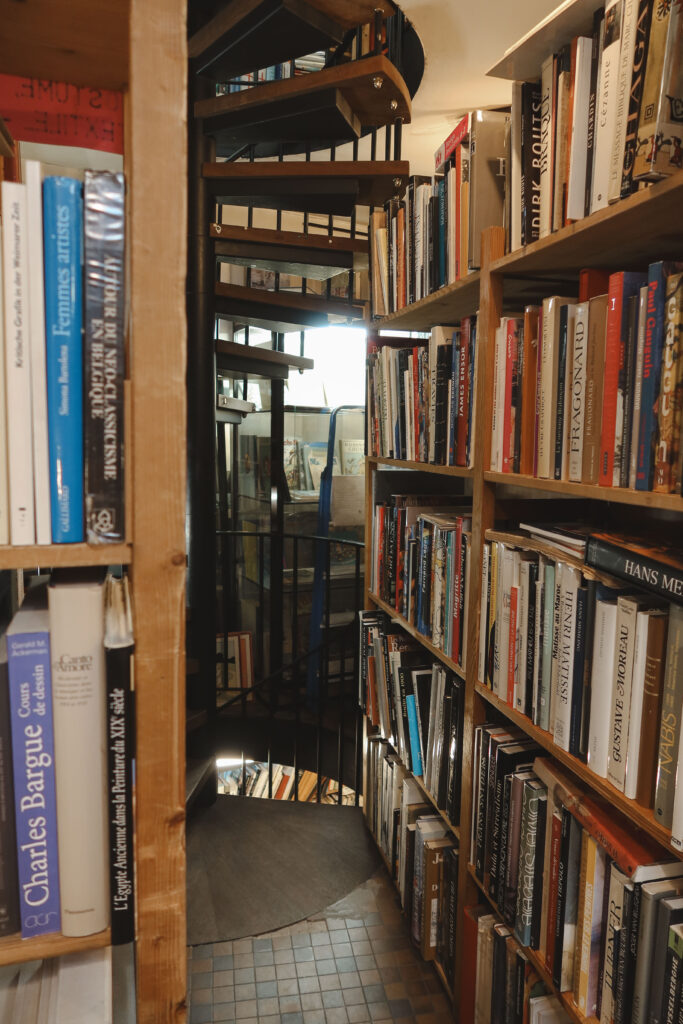
Literature was never designed for maximum efficiency. Many writers craft language carefully so that meaning unfolds gradually. The rhythm of a paragraph, the pacing of a story, and the emotional development of characters all benefit from patience.
Reading slowly allows these elements to appear.
In a time when opinions circulate instantly and reactions spread quickly, deep reading creates space for reflection. Instead of reacting immediately, the reader sits with the text.
That shift in pace changes the relationship between reader and book.
The Real Goal of Reading

The culture around books often frames reading as completion.
Finish the novel. Reach the final chapter. Add the book to the yearly count.
But finishing has little to do with the lasting value of a book.
What matters is resonance.
A single line from a novel can stay in your mind for years. A passage can change how you see a certain place or memory. A character can feel unexpectedly familiar.
These moments rarely appear when reading becomes rushed.
Slow reading gives space for these connections. When readers linger over language, they notice tone, imagery, and emotional nuance. Instead of moving through the text quickly, they move deeper into it.
The goal of reading is not finishing.
The goal is the moment when something inside the book connects with something inside the reader.
Personal Tips for Practicing Slow Reading

Building a slow reading habit does not require complicated techniques. It mostly requires small changes in how reading fits into daily life.
Create reading rituals
Choosing a consistent place for reading can make a big difference. A quiet chair, a small café, or a corner by the window creates an environment where attention becomes easier.
Ritual helps signal that this moment is meant for reflection rather than distraction.
Stop measuring reading speed
Tracking pages per hour or yearly reading numbers can unintentionally turn reading into a performance. Removing those measurements allows reading to become an experience again.
The focus shifts from finishing books to spending meaningful time with them.
Allow yourself to reread
Some of the most powerful parts of literature appear during rereading. Returning to a paragraph reveals new layers of meaning and detail that were easy to miss the first time.
Slow reading naturally creates space for this kind of engagement.
Choose books that reward attention
Certain books invite slower reading. Literary fiction, essays, reflective memoirs, and classic literature often contain language and ideas that benefit from patience.
These books do not demand speed. They reward curiosity.
Signs You Are Becoming a Slow Reader

As reading habits change, readers often notice small shifts.
The number of books finished becomes less important. Passages are reread without hesitation. Reading sessions feel calmer and more immersive. Certain sentences remain in memory long after the book is closed.
Slow reading gradually transforms the experience of literature from consumption into exploration.
Instead of racing through pages, readers move deeper into the text and allow the ideas to unfold over time.
FAQ: Slow Reading in a Fast Culture
Why is slow reading becoming more relevant today?
The digital environment encourages rapid information consumption. Slow reading offers a way to restore attention, reflection, and deeper engagement with books.
Does slow reading improve understanding?
Yes. Research on deep reading shows that slower reading speeds allow the brain to process complex ideas more effectively and remember them longer.
Is it normal to take weeks to finish a book?
Yes. Many meaningful books benefit from slower reading because readers have more time to think about the themes, characters, and language.
How can someone develop a slow reading habit?
Creating reading rituals, reducing distractions, and removing pressure to finish books quickly can help readers rediscover slow reading.
Can slow reading improve focus?
Yes. Practicing deep reading strengthens attention span and helps counter the fragmented focus often caused by constant digital stimulation.
Why Deep Reading Still Matters

Researchers have repeatedly shown that deep reading activates parts of the brain connected to empathy, critical thinking, and long-term memory. When we read slowly, our minds build mental imagery, interpret nuance, and connect ideas across pages.
Digital reading habits often interrupt this process. Quick scanning and fragmented attention make it harder for the brain to engage with complex narratives or layered arguments.
If you’re curious about the science behind this, the Center for the Future of Reading at Tufts University offers helpful research on how deep reading shapes cognition and attention.
Reading slowly is not just a nostalgic habit. It supports the very cognitive skills that complex literature was designed to engage.