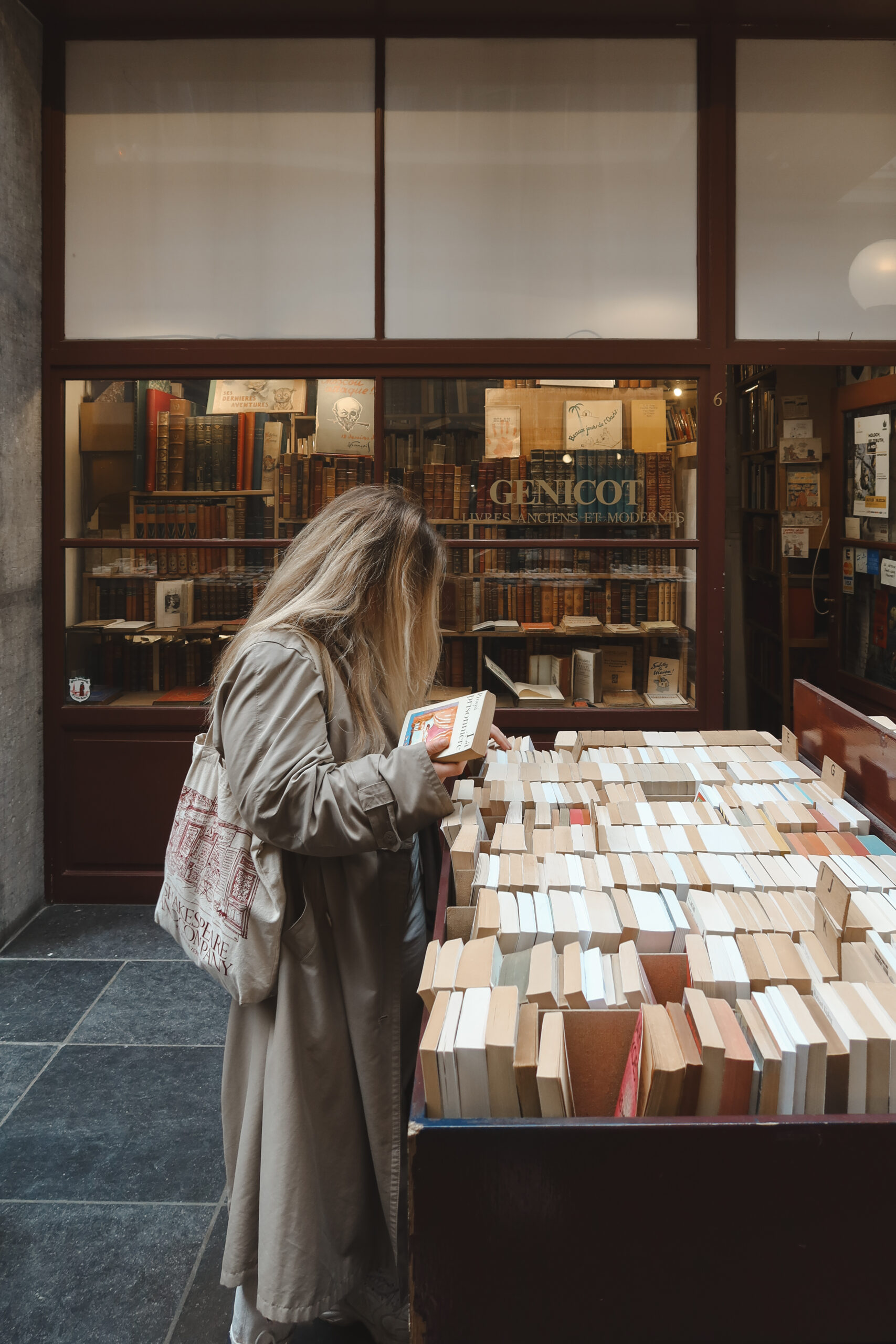
Inside the Rise of Literary Hotels, Book Clubs and Reading Culture
For some hotels, I would plan the whole trip.
A room I don’t want to leave in the morning. Breakfast that turns into lunch. A beautiful spa, a bar with a story, a pool where I can spend half the afternoon with a book. Architecture worth travelling for, a view I keep looking at and people who notice the small things.

I have photographed hotels for many years, and I have spent just as long travelling for bookshops, libraries and literary places. Lately, I keep seeing those two worlds move closer together. Literary Hotels are no longer defined only by famous writers who once stayed there or beautiful libraries behind the lobby doors. Book clubs, author conversations, reading retreats and connections to local literary culture are becoming part of the stay itself.
Books are appearing in places where we usually talk about spas, restaurants, design and views. Fashion has discovered the paperback. People meet to read together. Hotels are finding new ways to connect books with their destinations.
So, is literature becoming a new kind of luxury?
A beautiful hotel library is a very good reason to stay
Let’s start with the obvious one. A beautiful library can be one of the visual highlights of a hotel and absolutely a reason to choose it.
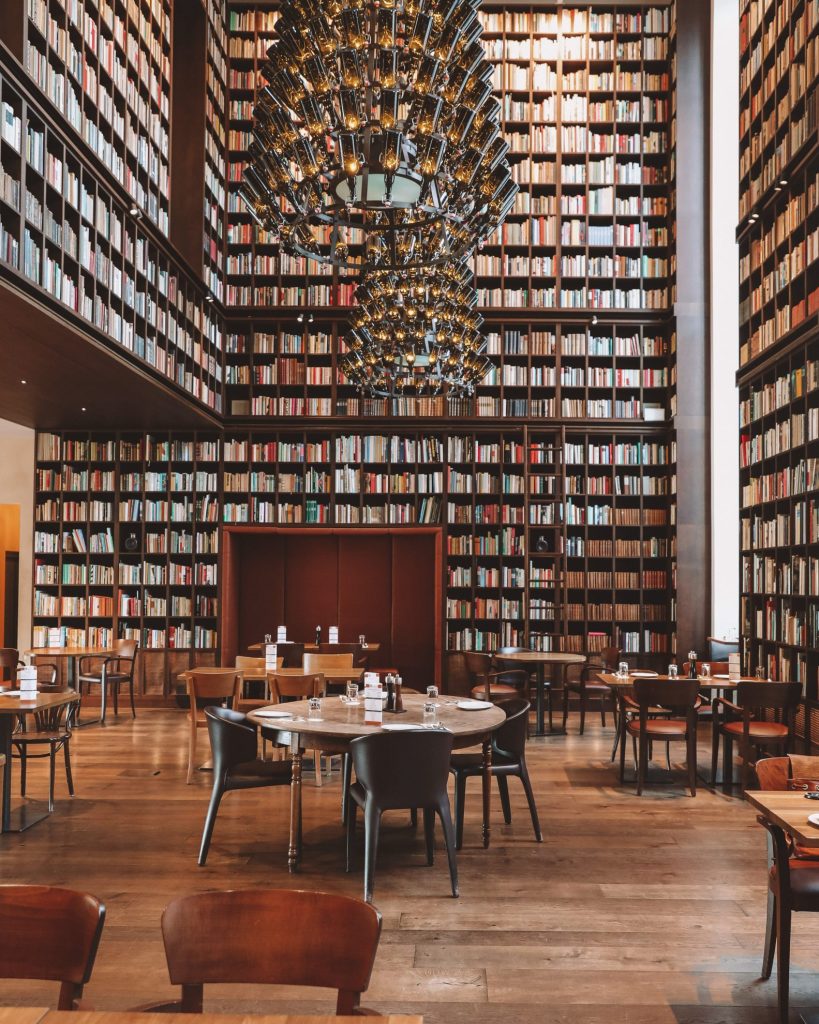
I have photographed enough libraries to know the effect of walking into a really good one. The height of the shelves, the books themselves, the chairs, the afternoon light. Perhaps there is a fireplace. Perhaps the collection has grown with the hotel. Perhaps you find something you weren’t looking for and disappear for an hour.
The room is important.
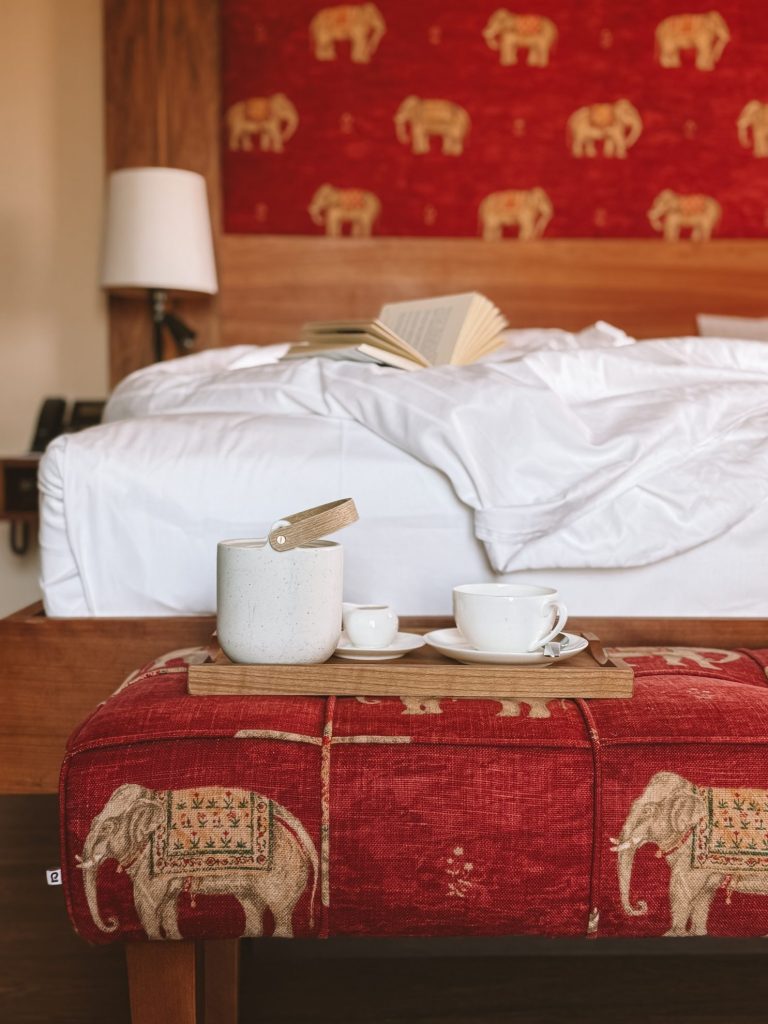
There is no need to make the hotel library less beautiful or less desirable because books are now turning up elsewhere in hospitality. A great library can tell you something about a hotel before you have opened a single book.
But when I think about a literary identity, I am interested in what happens beyond the shelves. Are the books actually read? Why were they chosen? Do they tell me something about the building, its history or the place I am visiting? Can I take one upstairs? Does the person at reception know the collection? Does literature appear anywhere else during my stay?
That is where the idea of the Literary Hotel becomes particularly interesting.
In 2026, Design Hotels called this development “The Rise of the Literary Hotel ”, observing that books were moving beyond hotel styling and becoming part of architecture, programming and the guest experience. The library remains important. Hotels are simply beginning to do more with the books.
Literary Hotels are moving beyond the bookshelf
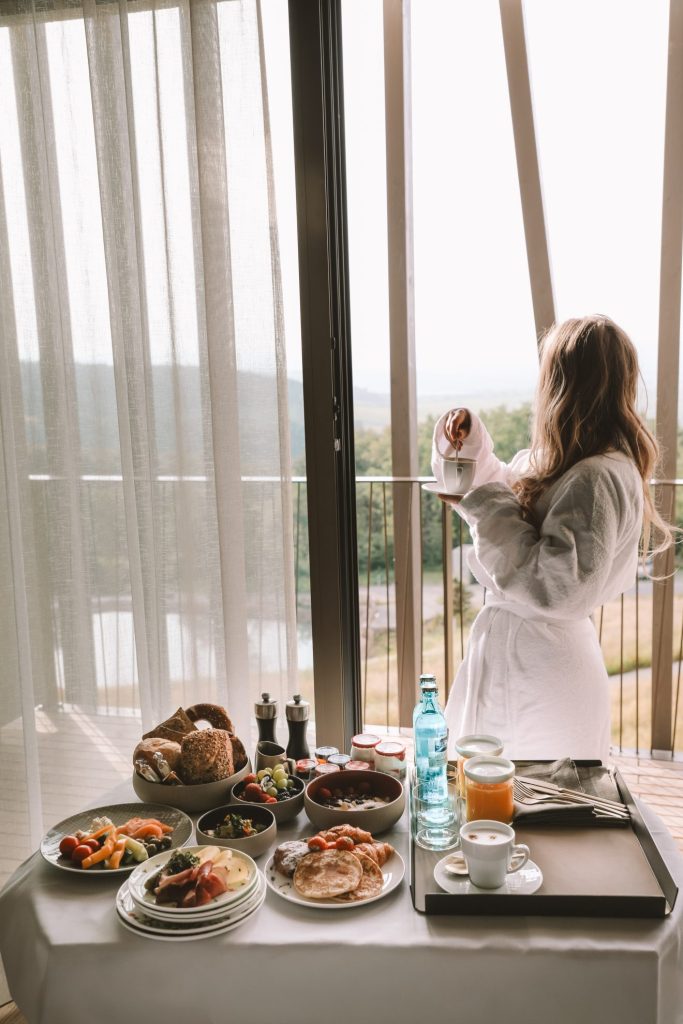
Perhaps literature turns up at breakfast.
A book club has taken over one of the tables and breakfast lasts longer than planned because nobody agrees about the ending. Later, the concierge sends you to an independent bookshop you would never have found on your own. Back in the room, there is a novel by a writer from the city.
Or perhaps nothing is programmed at all.
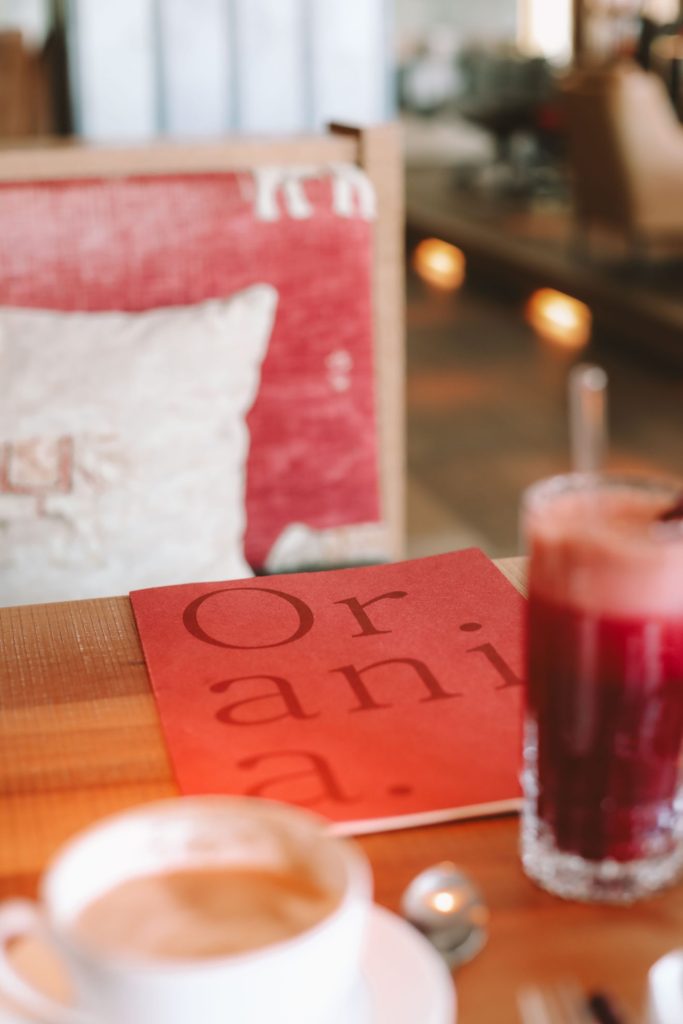

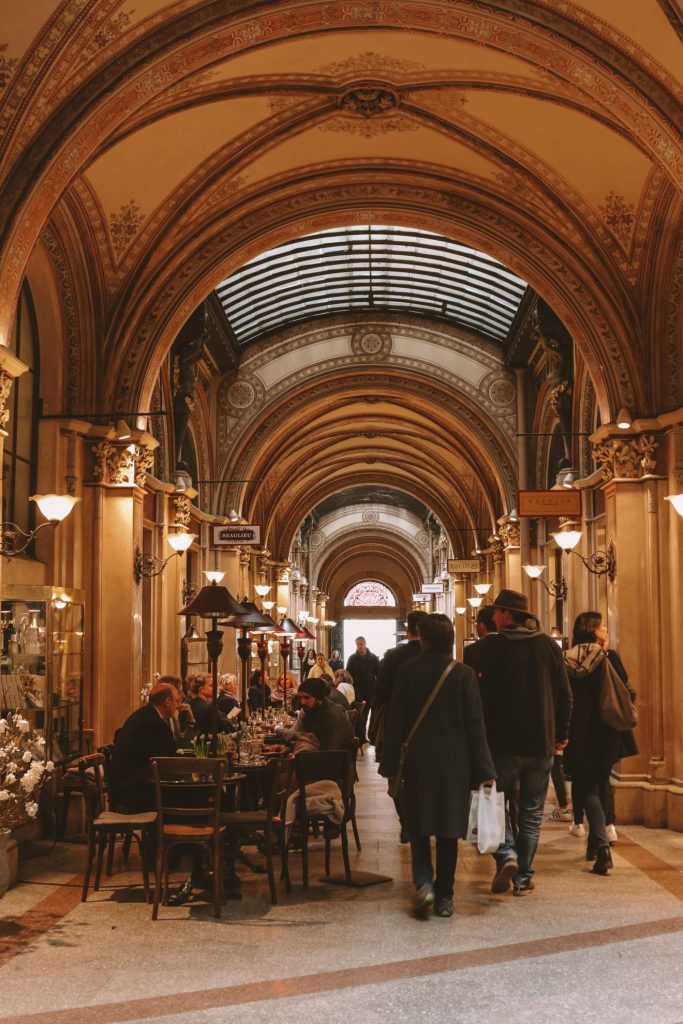
You take your own book to the pool, order lunch there and realise three hours later that you have barely moved. You leave it behind when you go to the spa and return after dinner to find that someone has brought it back to your room without losing your page. That last example doesn’t require a literary programme. It is simply very good hospitality.
This is one of the reasons I find literary hospitality so interesting. A literary identity can come from the history, architecture or library of a hotel. Literary hospitality appears in what the guest actually experiences.
Hotels are experimenting with both. Book clubs are appearing in luxury hospitality. Authors are invited for conversations and residencies. Reading retreats leave deliberate space in the day. Hotels create reading lists around their destinations, work with bookshops and introduce guests to local writers.
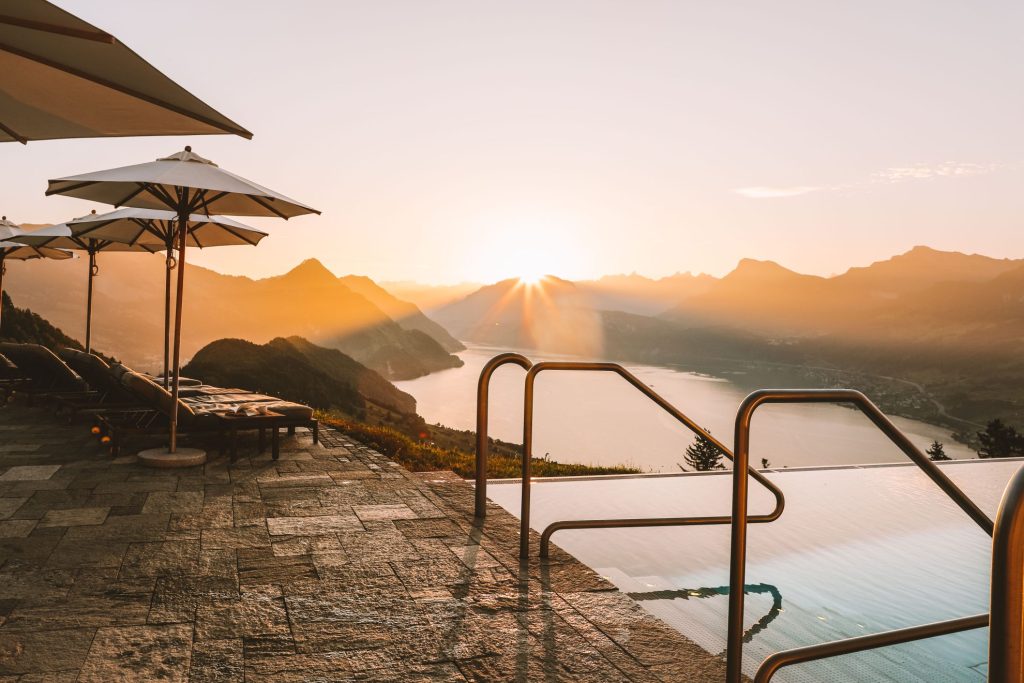
There is no single formula and I hope there never is.
The room, breakfast and spa belong to the story too
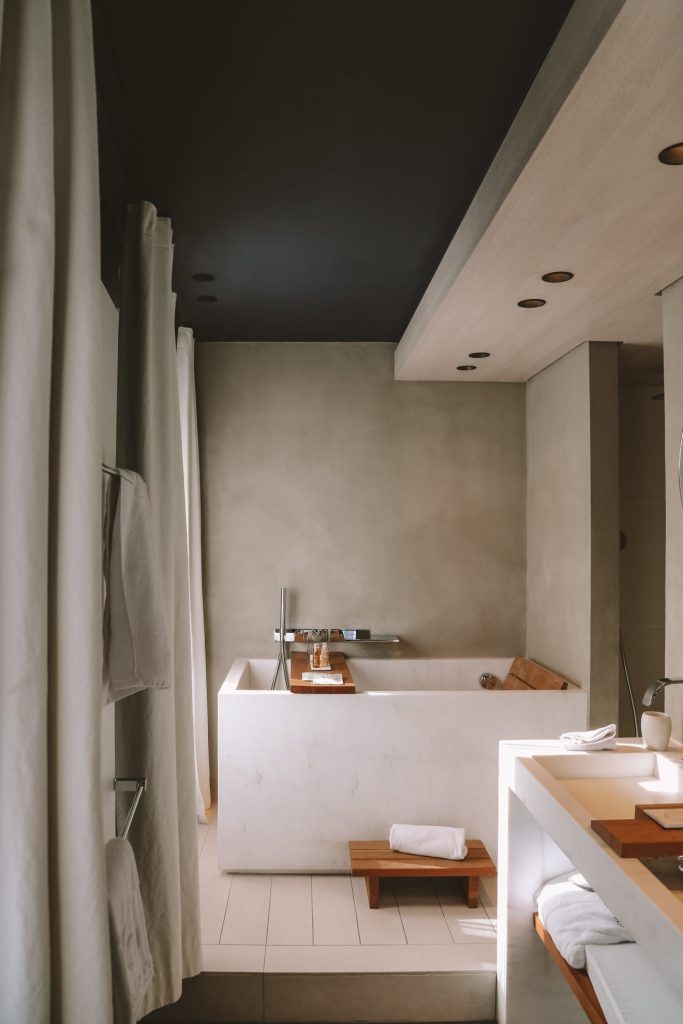
The room is one of the reasons I travel. So is breakfast. The restaurant. The bath I disappear into after walking around a city all day. The garden, the pool, the bar downstairs, the architecture and the history of the building. These aren’t background scenery for a literary concept. They are part of why the hotel is worth travelling for. Literature can move through all of them.
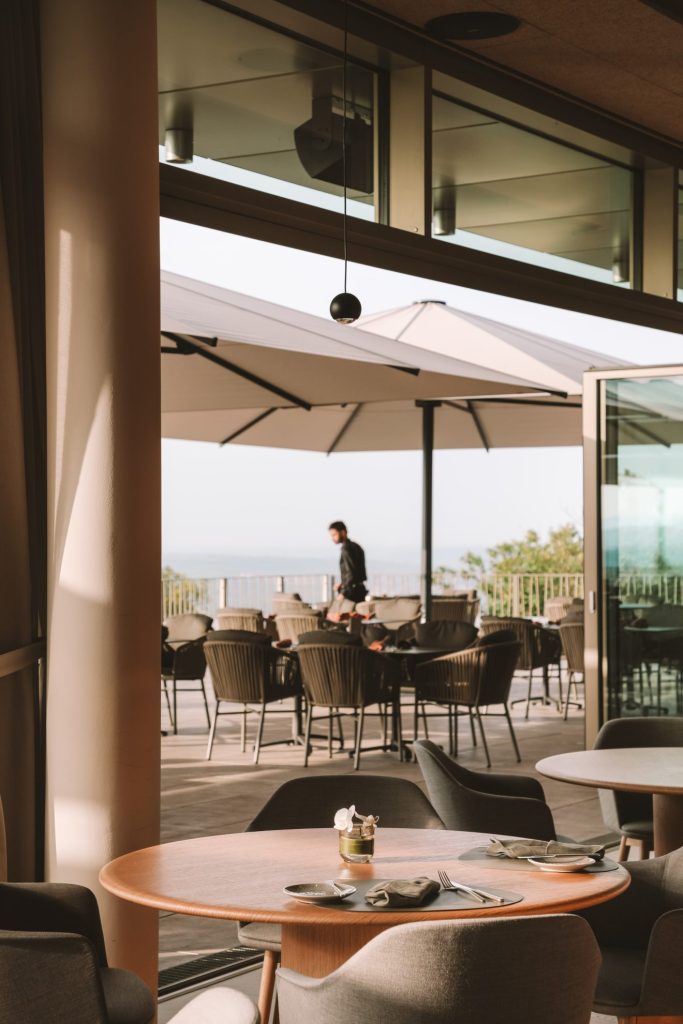
You might sleep in a room where a writer once stayed and actually know what happened there. Have a drink in a bar where authors used to meet. Read a novel set in the city over breakfast before going out to find the streets in it. Spend the afternoon beside the pool with a book you picked up from the hotel library that morning.
For another hotel, the story might be completely contemporary. There is no famous author in its past and no reason to invent one. Instead, it knows the literary life happening outside its doors now.
The staff know the independent bookshops. They know which library is worth seeing for the architecture, where a writer lived and whether a literary festival starts on Friday. Perhaps the hotel works with one of those places. Perhaps it simply tells its guests about them.
The interesting stories usually begin with what is already there.
A Literary Hotel can open the door to a destination
This is probably the part that fascinates me most.
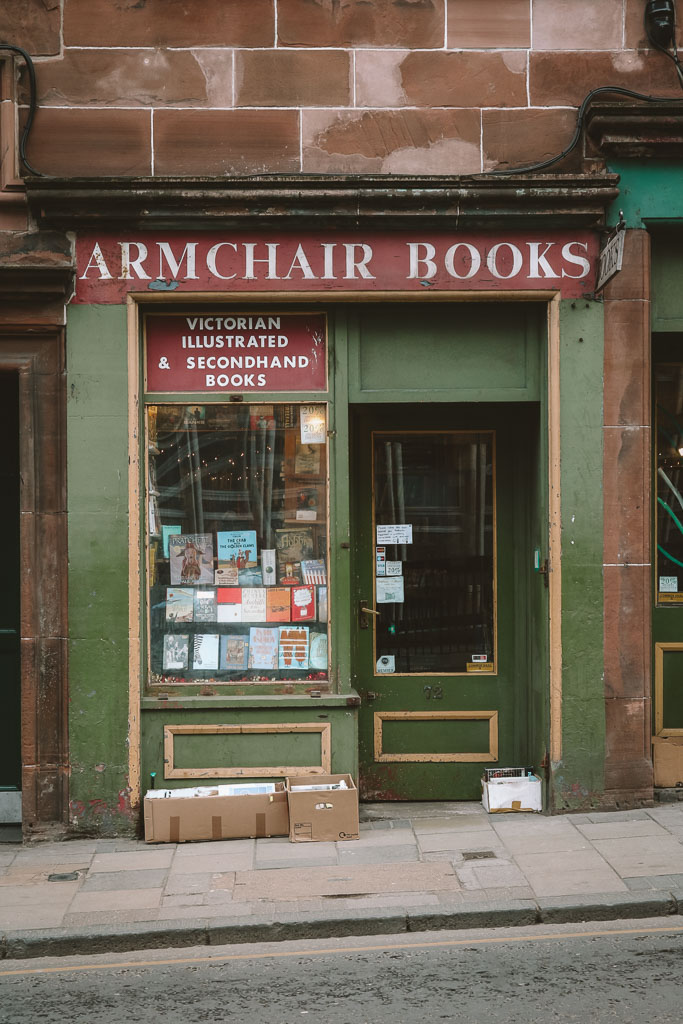
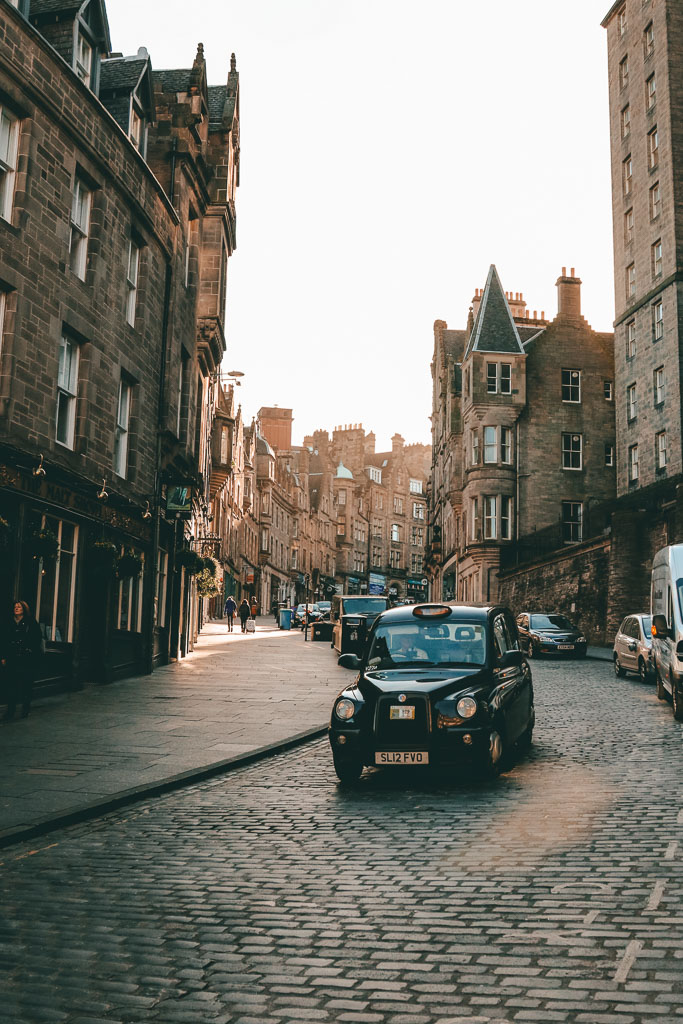
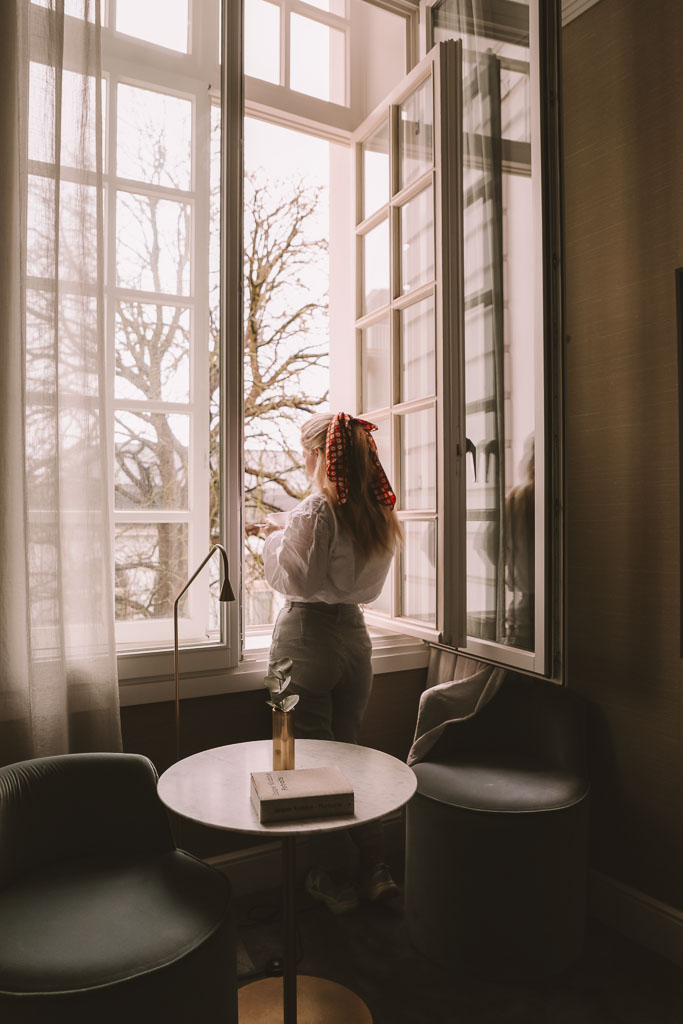
Books have always changed the way I travel. A bookshop takes me into a neighbourhood I might otherwise have missed. A library can tell me about the history and ambitions of a city. Writers lead me to houses, cafés, restaurants, cemeteries, bars and streets. A novel read before a trip can make an ordinary address suddenly important.

It is why I love discovering literary cities in the first place. In Literary Paris, Kraków or Berlin one literary address can become the beginning of a much bigger journey through the city.
A hotel is unusually well placed to make those connections because it sits between the traveller and the destination.
The possibilities don’t need to be complicated. Put a book by a local writer in the room and tell me why you chose it. Work with the bookshop down the road. Ask a bookseller to recommend a few titles connected to the city. Tell me which library I can walk to after breakfast. If an author once lived around the corner, don’t leave that story buried in the hotel archive.
This is where literary travel and hospitality naturally meet. A hotel doesn’t always have to keep me inside. Sometimes excellent hospitality is knowing exactly where to send me next.
Literary chic: why books are suddenly so visible
Literary Hotels were not invented in 2026. Writers have been living, writing, drinking and meeting in hotels for centuries. Grand hotels have literary histories that would be impossible to recreate today, and remarkable hotel libraries are certainly nothing new. What is interesting now is the cultural visibility of the physical book.
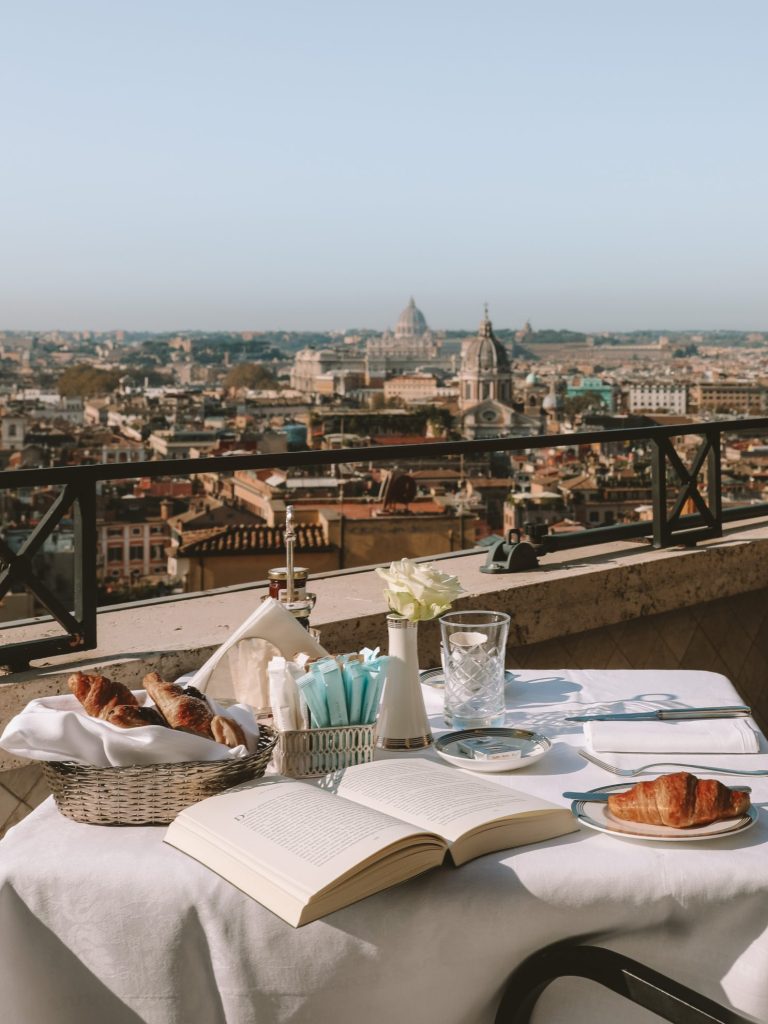
Vogue used the term “literary chic” in 2026 when looking at reading through fashion, including Miu Miu, Prada and Bottega Veneta. Miu Miu itself has created a Literary Club. Book clubs have become social occasions, reading groups bring strangers together and the paperback has found its way back into fashion and lifestyle imagery. There is something slightly amusing about a book becoming a status object again. Readers never needed permission from fashion to carry one. Still, the moment is worth noticing.
Travel is seeing its own version. British Airways Holidays and Globetrender identified “Paperback-Packers” among their travel trends, including travellers choosing books because they were connected to the places they were visiting.
I don’t think this means everybody has abandoned their phone for a novel. Mine would still be next to me, probably taking far too many photographs.
But there is something different about spending an afternoon with one book. I have written before about slow reading in a fast culture and travelling can create exactly the kind of time that is so difficult to find at home.

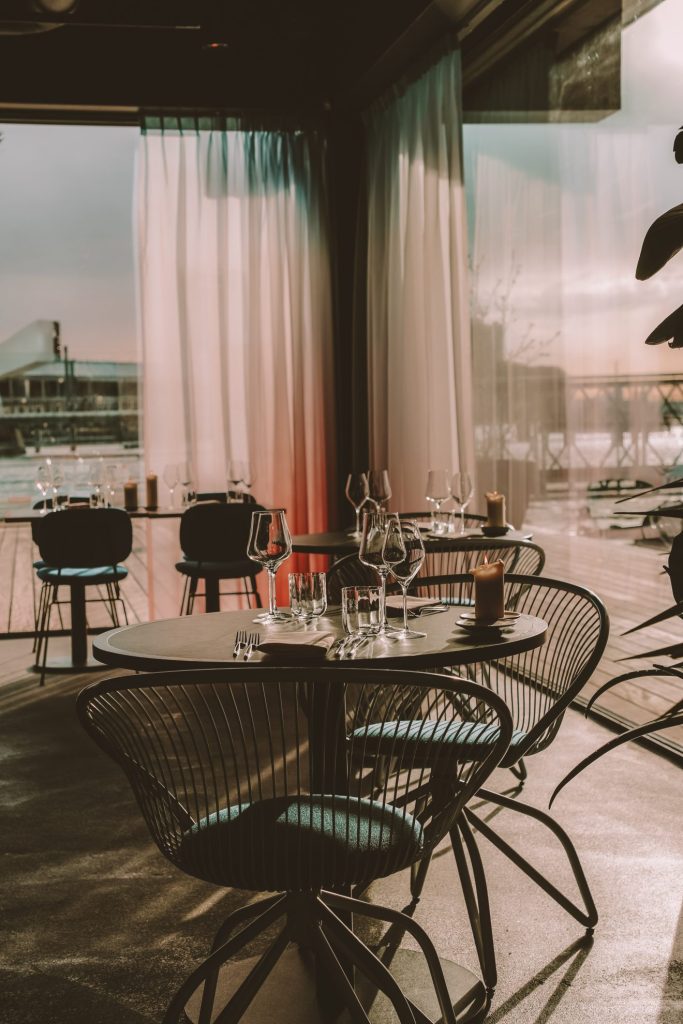
You don’t finish lunch because there is somewhere else you need to be. You order another coffee. Later you move from the terrace to the pool. At some point it is six o’clock and you have read 150 pages. Nothing particularly dramatic has happened. Which may be exactly the point.
Reading, slow travel and the luxury of time
Luxury travel is very good at giving us things to do. There are restaurants to book, treatments to try, places to see and itineraries capable of filling every hour of a weekend. But some of my favourite hotel days have very little to report.
A late breakfast. A few hours outside. Something good for lunch. A spa. A bath. A book that came downstairs with me in the morning and somehow stayed with me all day. Reading fits surprisingly well into that kind of luxury. Not because it needs to become another wellness treatment or because we should give it a fashionable new name. It simply requires something genuinely valuable when we travel: enough time to become absorbed in one thing.

That helps explain why reading retreats, book clubs and unplugged stays are appearing alongside more familiar hotel experiences. The term “literary wellness” has even started appearing in travel media.
I am not sure reading needs the wellness label. I am quite happy just calling it reading.
What actually makes a Literary Hotel?
I don’t think there should be a checklist.
Some hotels have extraordinary literary histories. Writers lived there, wrote there or returned year after year. The rooms, restaurants and bars carry those stories, and they deserve to be told. Others have remarkable hotel libraries, book collections or architecture connected to publishing and literature.
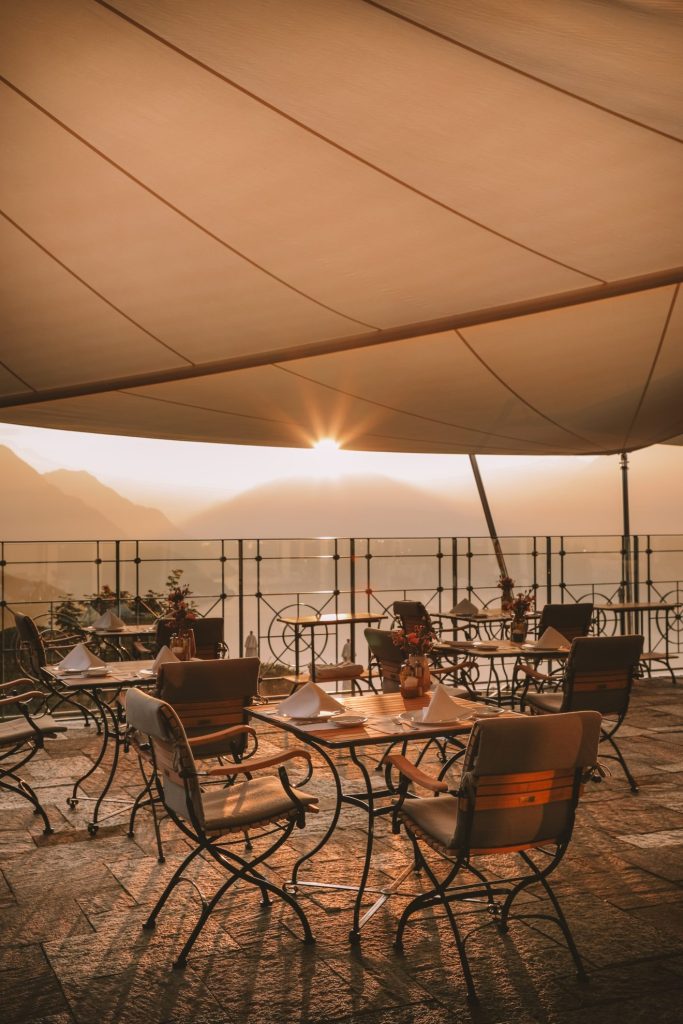

A contemporary hotel might find its literary identity through a book club, author talks or relationships with local bookshops. A resort might be exceptionally good at giving guests the time and place to read. A city hotel might know its literary neighbourhood so well that staying there changes the way you experience the destination. And, ideally, the rest of the hotel is wonderful too.
I want the room. I want the breakfast. I want to go to the spa, have a drink at the bar and order something far too good from room service. I want to look at the architecture, hear the stories of the building and go outside to explore where I am.
Then give me the books. For me, that is when a Literary Hotel becomes worth remembering: when literature belongs naturally to a stay that was already worth travelling for.
The physical book is enjoying renewed cultural attention, while hotels are finding new ways to use literature through history, design, programming, local knowledge, conversation and the simple pleasure of having time to read. I will always stop for the beautiful library. I will probably photograph it from every angle before I finally sit down.
But I am increasingly interested in what happens after that.

And yes, I know: now you want the addresses. The first Literary Hotels are coming to Pretty Book Places soon.