


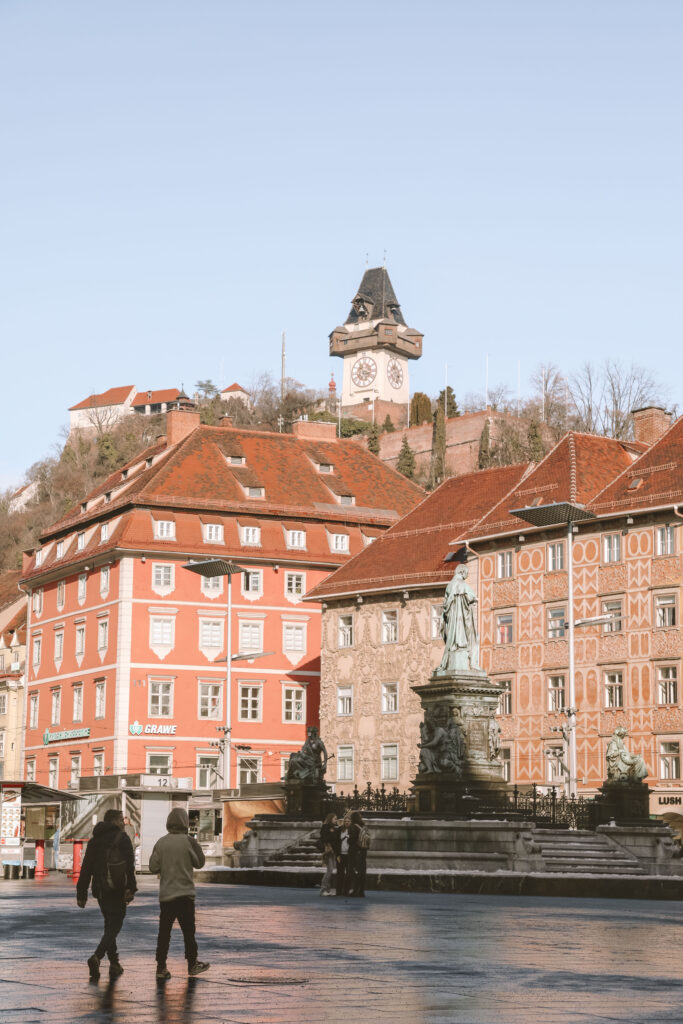

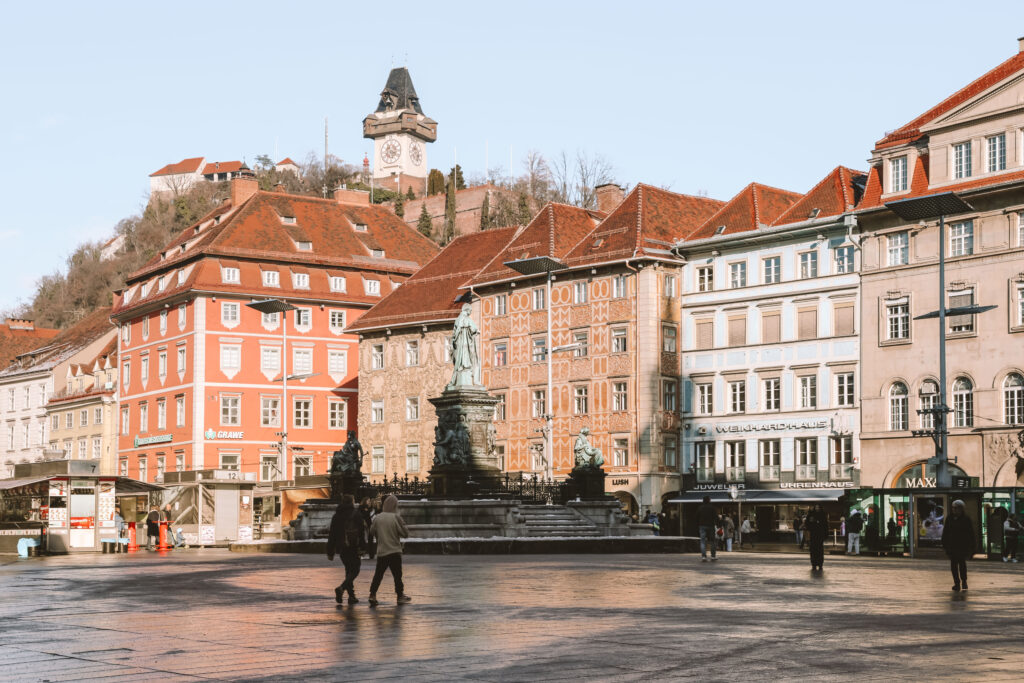
This article looks at Graz as a travel destination through the lens of books, libraries and the way reading shapes the city.
Graz has never loudly promoted itself as a literary capital. Yet for book lovers, the city makes immediate sense. Literature here is embedded in universities, libraries, bookshops and archives. It is present in everyday life rather than staged for visitors. Reading here is visible, constant and unforced. It happens at café tables and on park benches, woven naturally into the rhythm of the city.
*Advertisement: This article was created as part of a cultural storytelling project in collaboration with Graz Tourism.
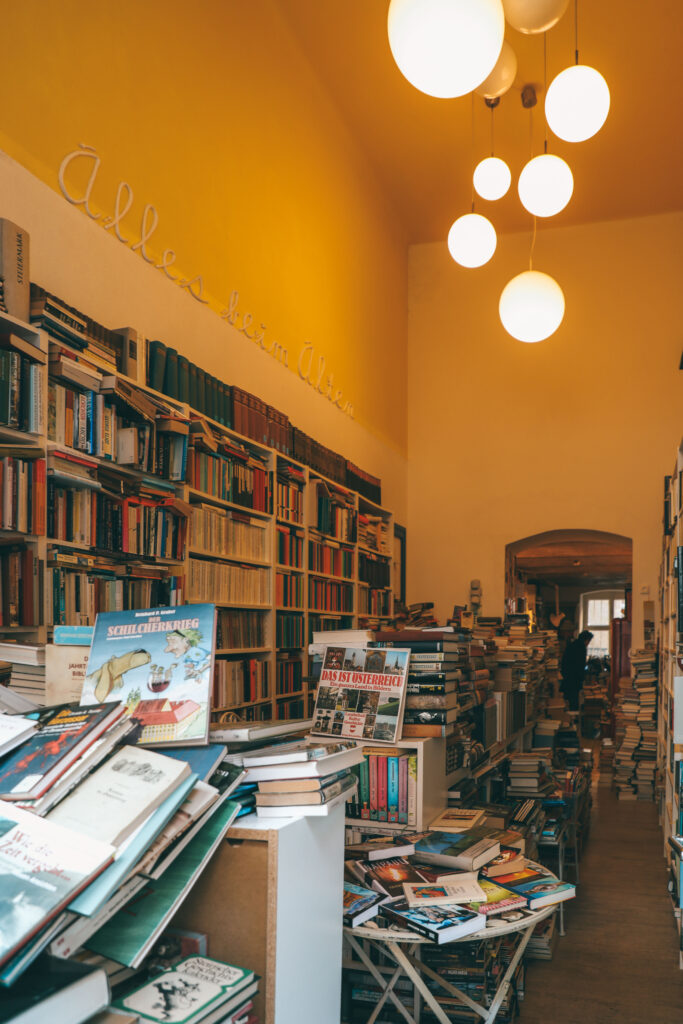
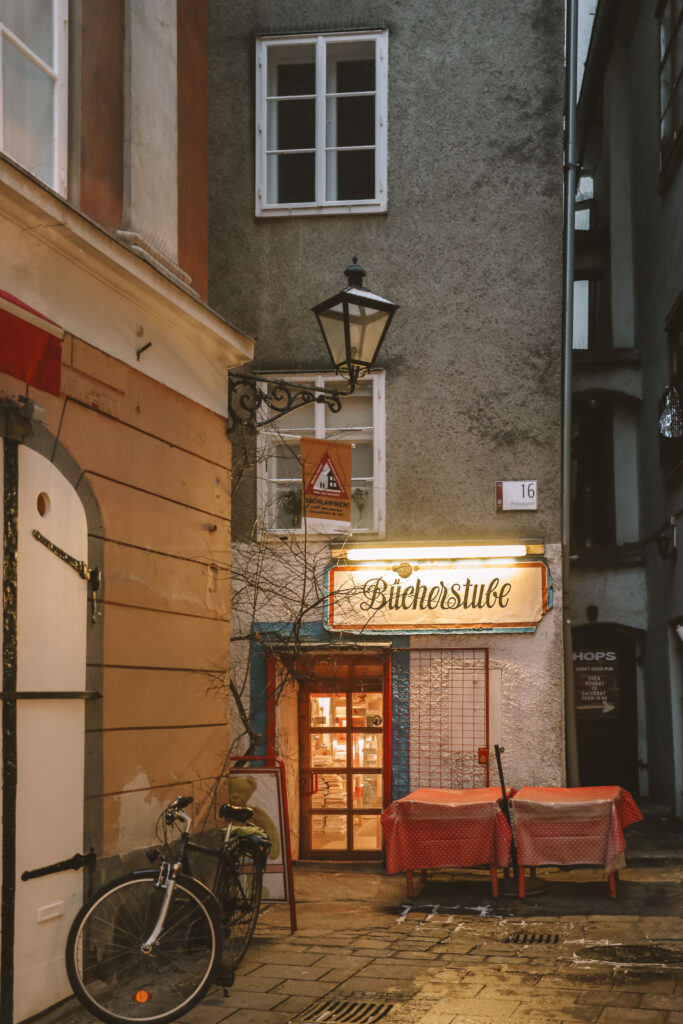
Antiquariat Alles beim Alten / Bücherstube Schimunek
This quiet confidence defines the city. As a former European Capital of Culture in 2003, a UNESCO World Heritage city and later a UNESCO City of Design, Graz understands culture as continuity rather than spectacle.
It is not treated as an event, but as an ongoing practice.The city remains one of Central Europe’s most underestimated destinations.
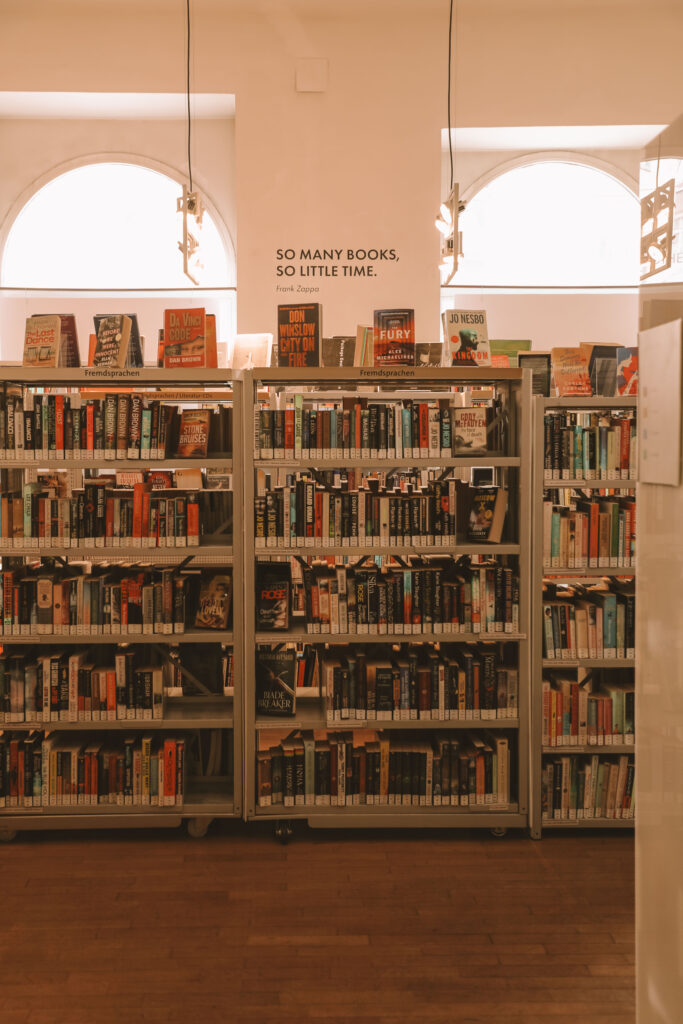
Stadtbibliothek Zanklhof
For readers who choose their travels based on bookshops and secondhand stores, Graz unfolds slowly and generously. Independent bookshops, long-standing antiquariates and places to browse without pressure form a dense network. This is a city for people who like to search, not rush.

Libraries as the Intellectual Backbone
The literary life of Graz begins with its libraries.
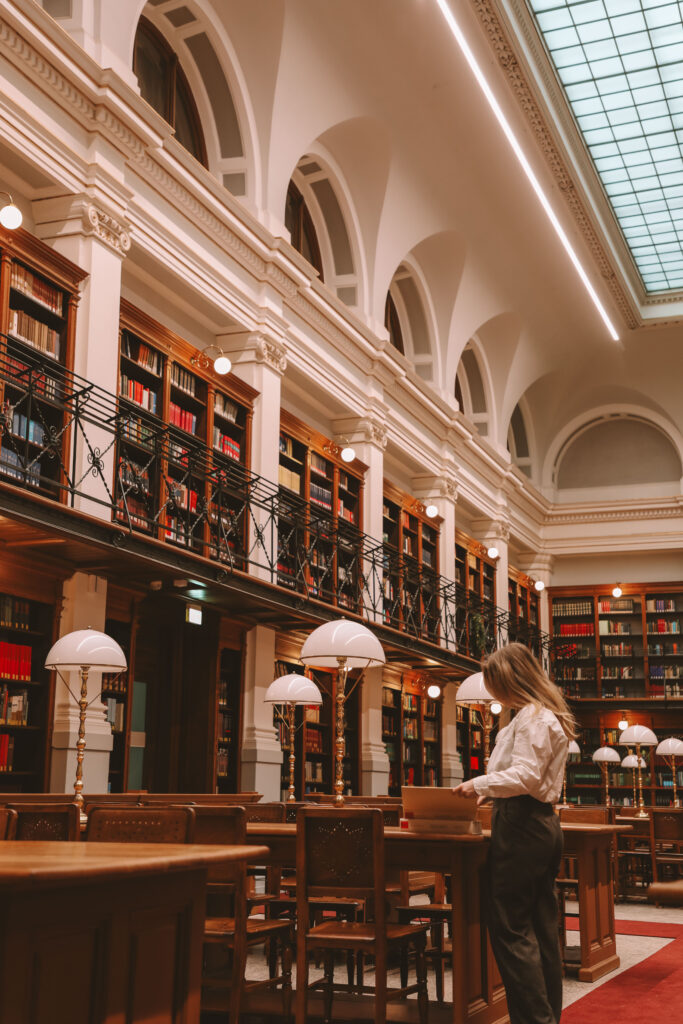

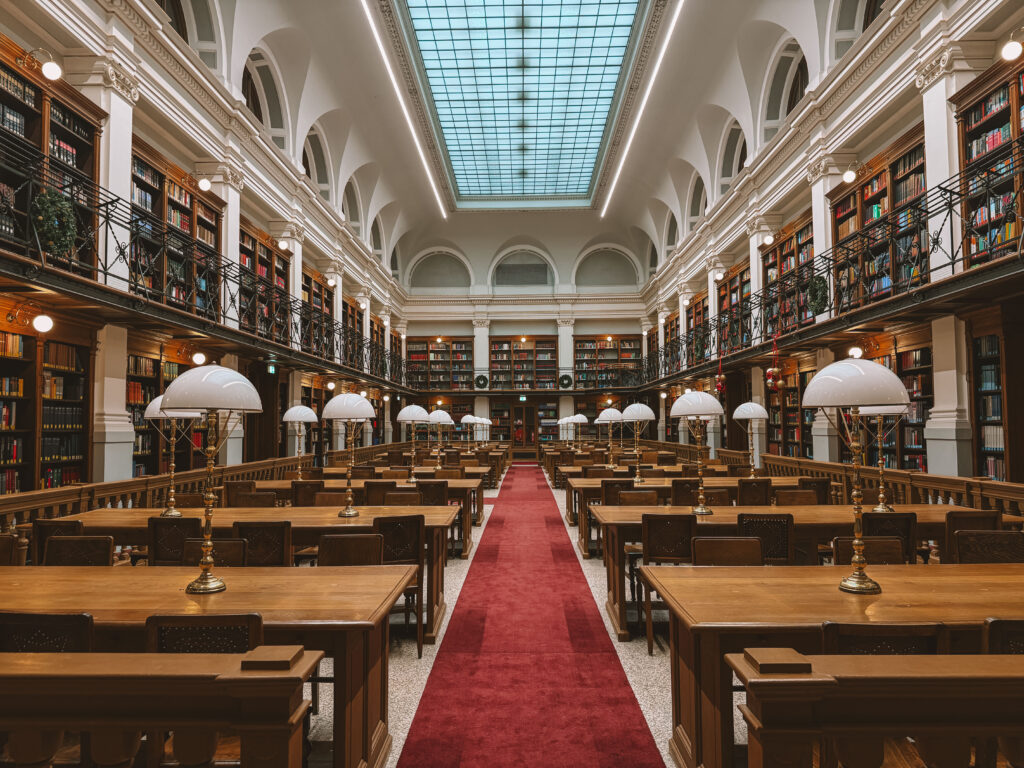
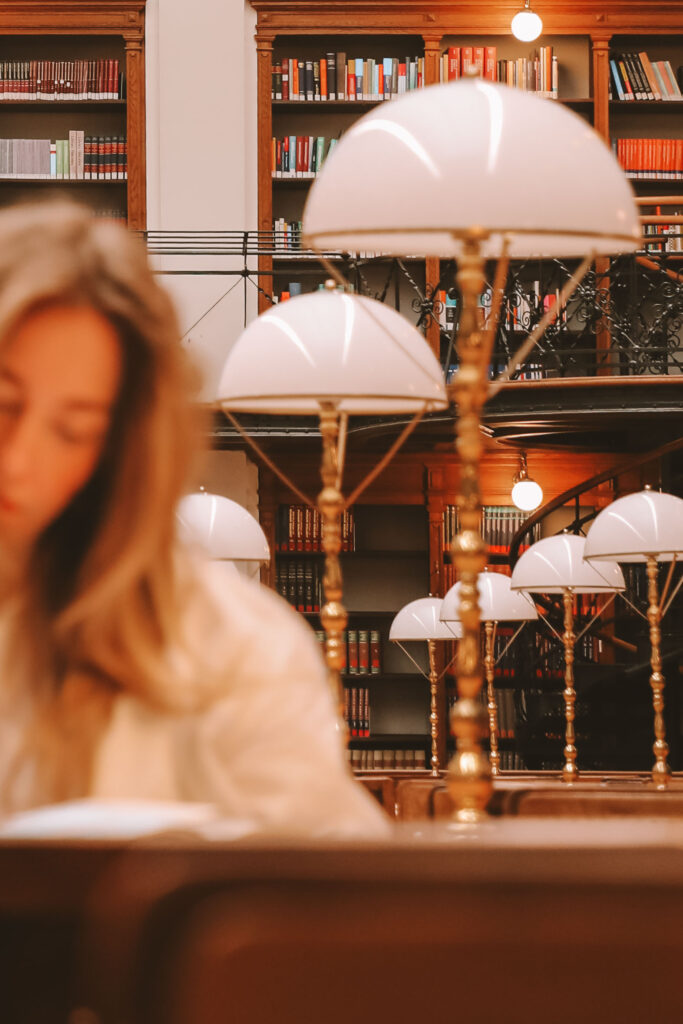
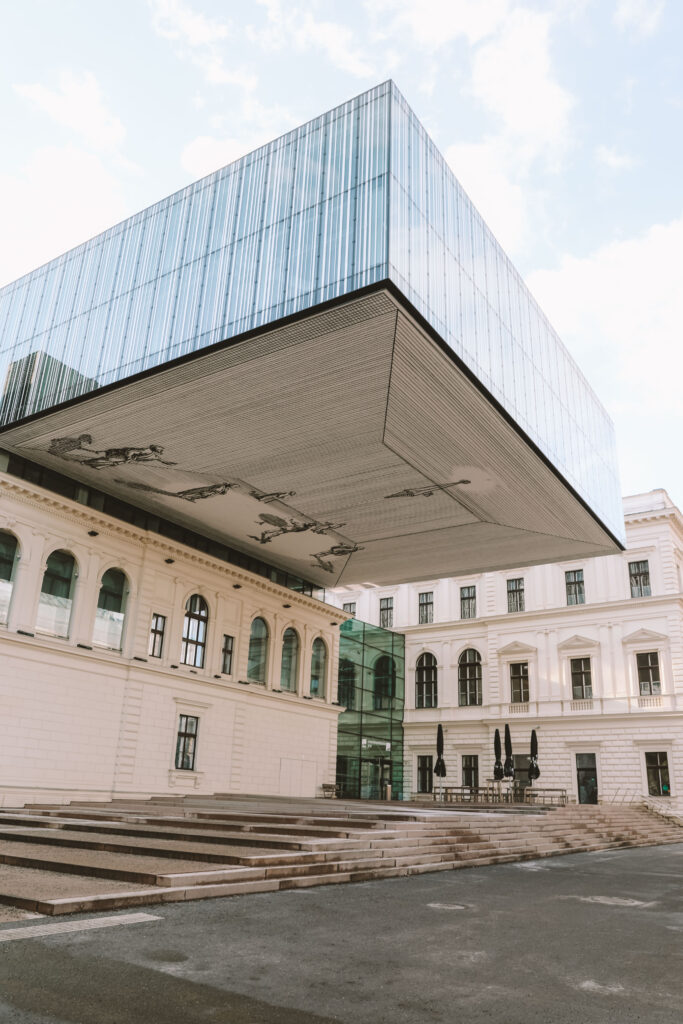
The Universitätsbibliothek Graz reflects both the city’s academic history and its contemporary outlook. Modern architecture, generous light and calm reading zones create an environment designed for sustained concentration. Research happens here daily. Many authors have passed through these rooms as students, researchers or lecturers, making the library a quiet foundation of the city’s literary life.The library’s contemporary extension, designed by Thomas Pucher, reinforces this approach. The modern structure creates a deliberate contrast to the historic context and underlines how seriously Graz invests in knowledge infrastructure. Students embrace this space with visible enthusiasm. Even before opening hours, lines form to secure the best seats.
The Stadtbibliothek Graz – Zanklhof represents another essential layer of the city’s literary infrastructure. As one branch within a broader public library network, it reflects how literature in Graz is distributed across neighbourhoods rather than concentrated in a single landmark. Open, accessible and clearly urban, the Zanklhof location shows how seriously the city treats public access to literature. Reading here belongs to the everyday rhythm of Graz, not to a cultural elite, a fact most visible in the many reading corners spread throughout the building.
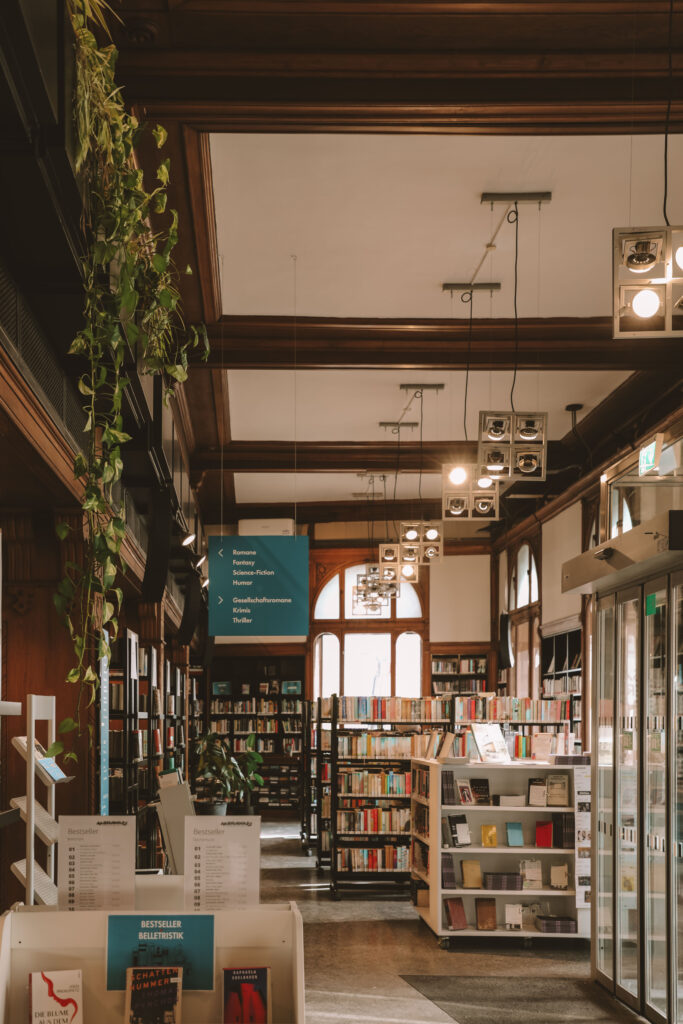
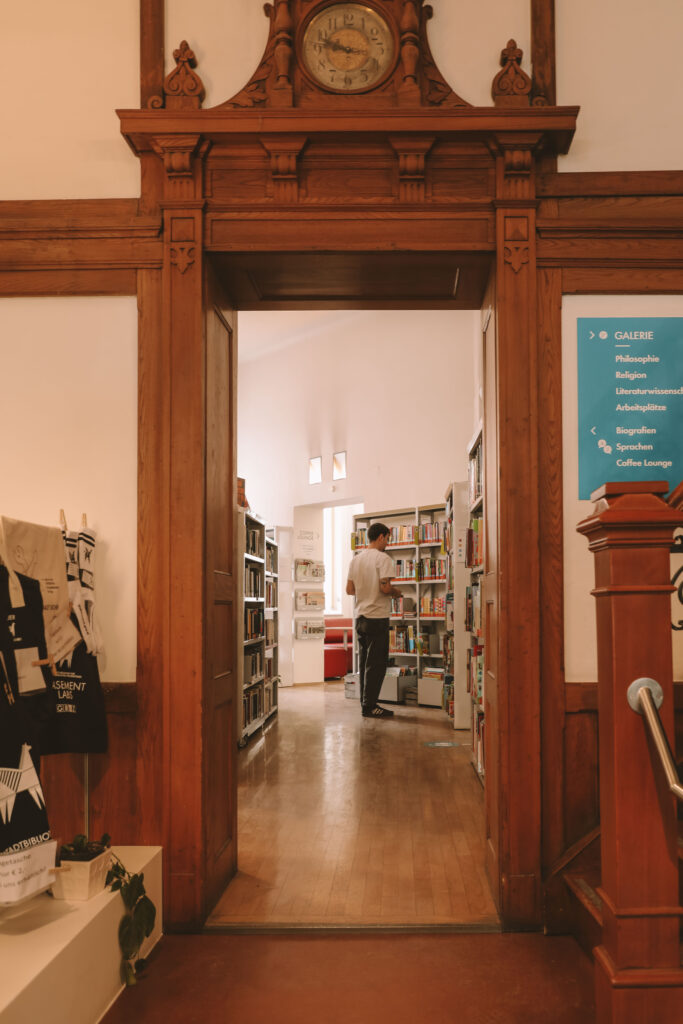
Beyond its fixed locations, the Stadtbibliothek Graz also extends its reach through the Bücherbus Graz, bringing books directly into districts with limited access to cultural institutions. It is a quiet but telling detail.
Historical depth becomes tangible at the Steiermärkische Landesbibliothek in the Joanneumsviertel. As one of Austria’s oldest regional libraries it holds centuries of collected knowledge. Manuscripts, regional publications and academic works form a long memory of the region. Today, this heritage is housed within a series of contemporary glass volumes integrated into the surrounding cultural quarter. The transparent cubes deliberately contrast the age of the collection and make literary continuity visible within a modern architectural setting.
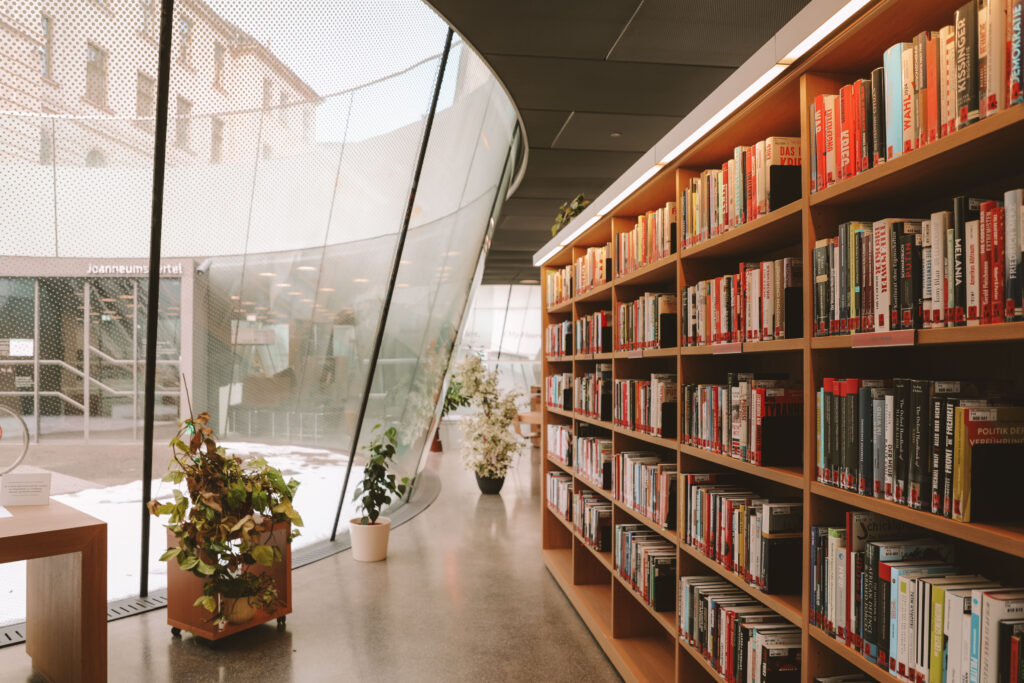
Graz’s libraries are heavily used. Students arrive early to secure good places. Long study sessions are the norm.
Bookshops That Anchor the City
Bookshops in Graz are not lifestyle accessories. They are cultural anchors.
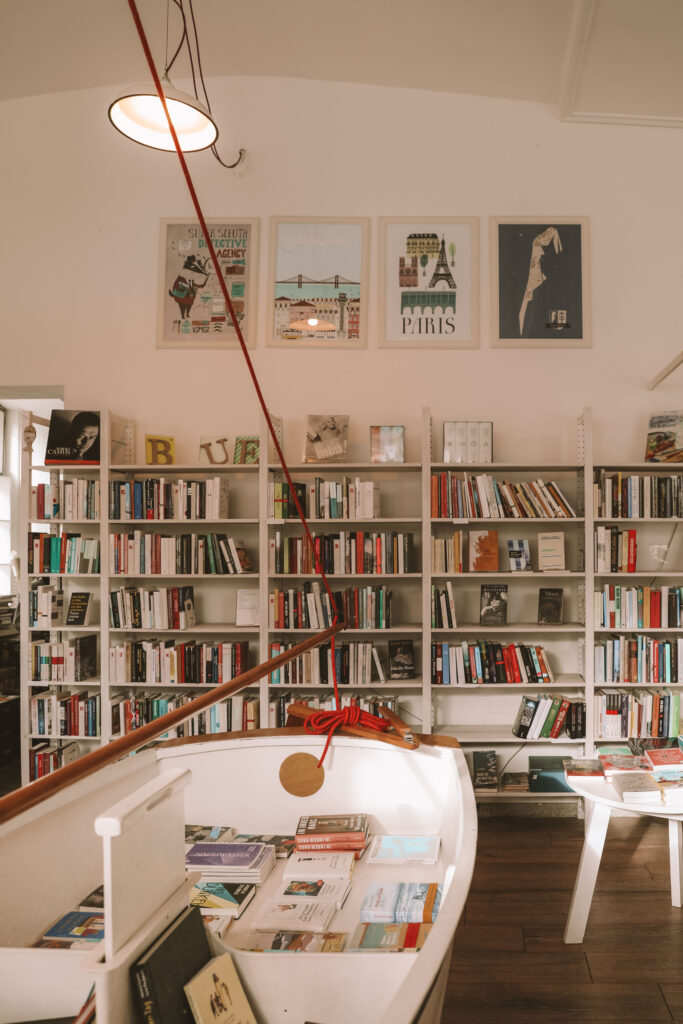
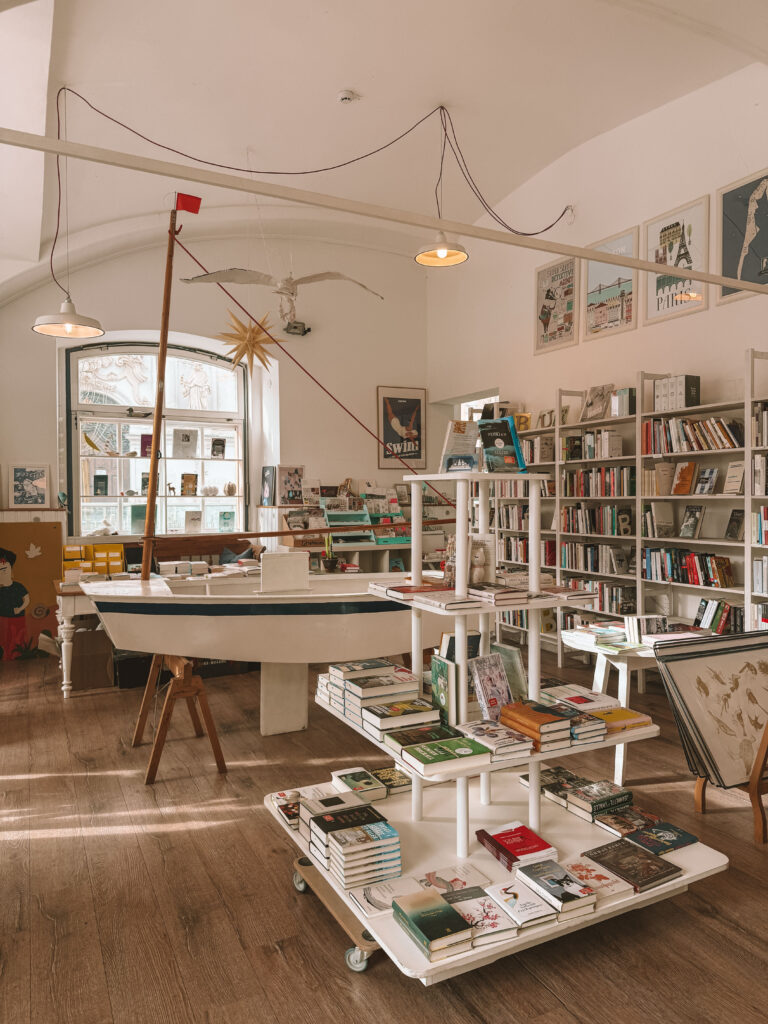
Across the Mur, Büchersegler represents the contemporary independent scene. Its carefully curated selection is attentive to current debates and new voices. This bookshop reflects a literary scene that continues to evolve.
Buchhandlung Moser has shaped the city centre for generations. Its central location and broad selection make it a meeting point for residents and visitors alike. International titles stand alongside German language literature and regional publications. The shop reflects stability and scale. A reminder that literature is also part of the city’s economic life.
Together these spaces demonstrate how tradition and independence coexist.
Antiquariates and the Value of Continuity
The depth of literary Graz becomes especially clear in its antiquariates.
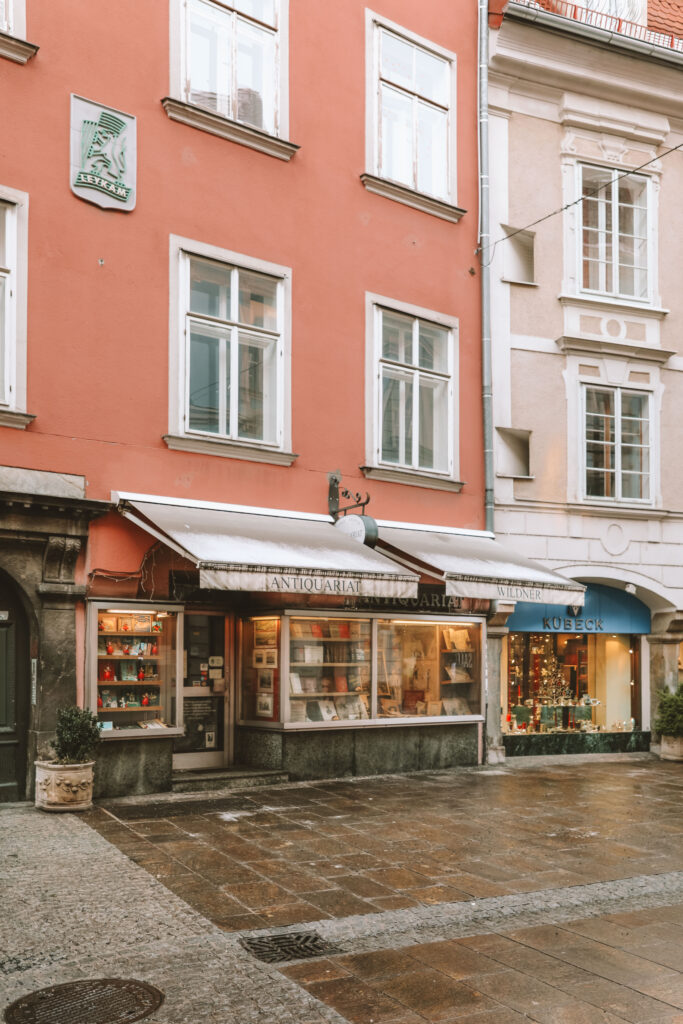
Alles beim Alten,
Antiquariat D. Wildner,
Matthäus Truppe, established in 1921 and
Bücherstube Schimunek
form a dense network of secondhand knowledge.
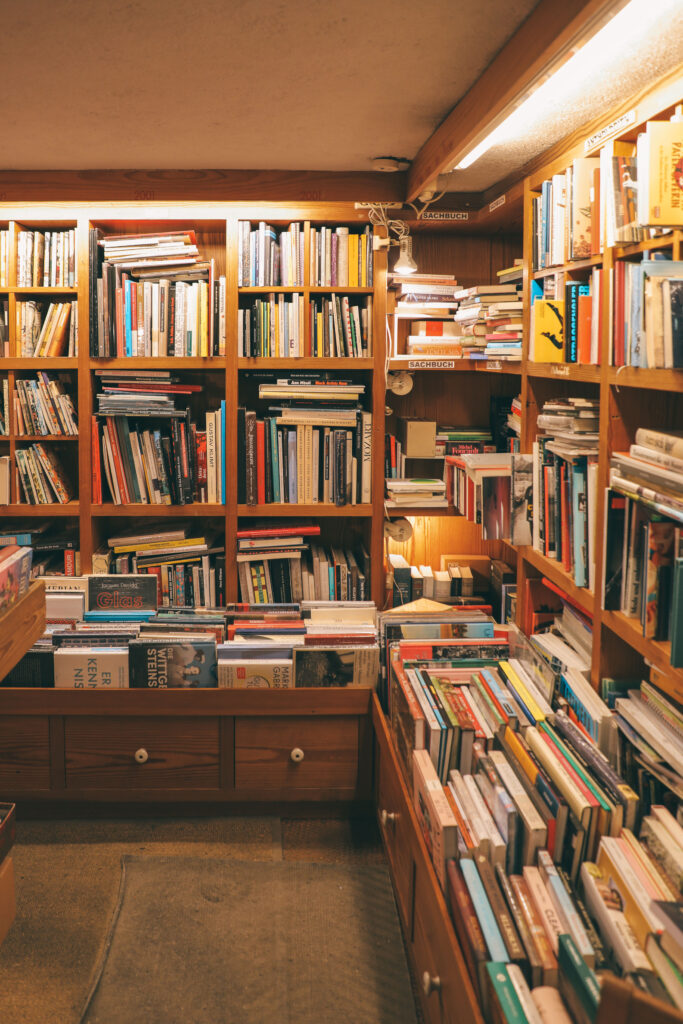
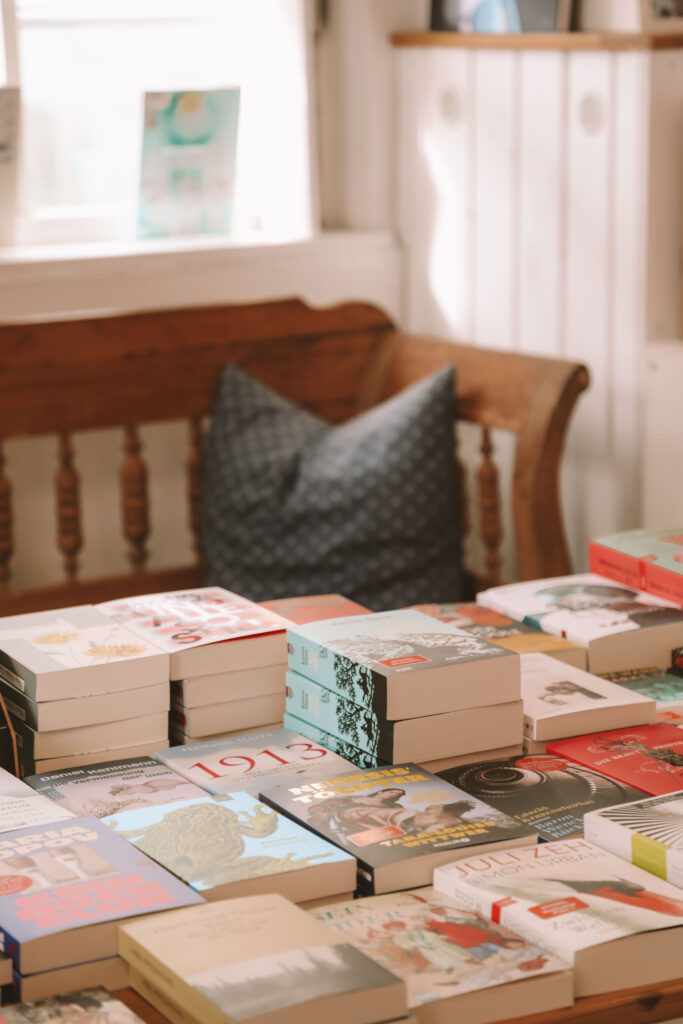
Antiquariates exist only where books circulate over decades. Where private libraries dissolve and return to public use.They suggest a culture in which literature is valued beyond trends and novelty, shaped by generations of readers and authors committed to preservation.
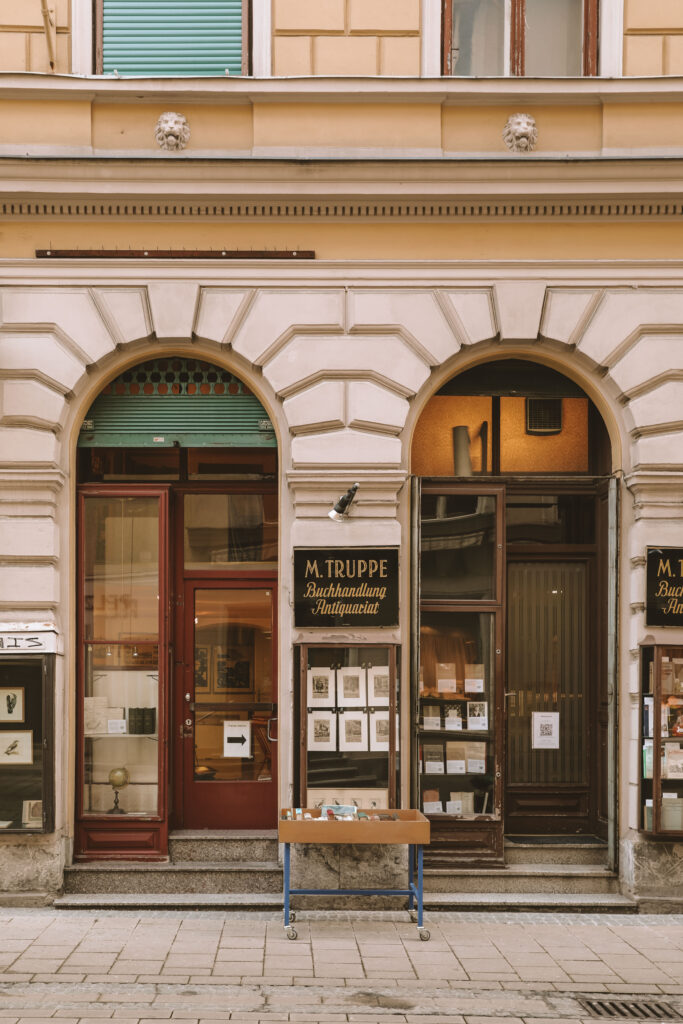
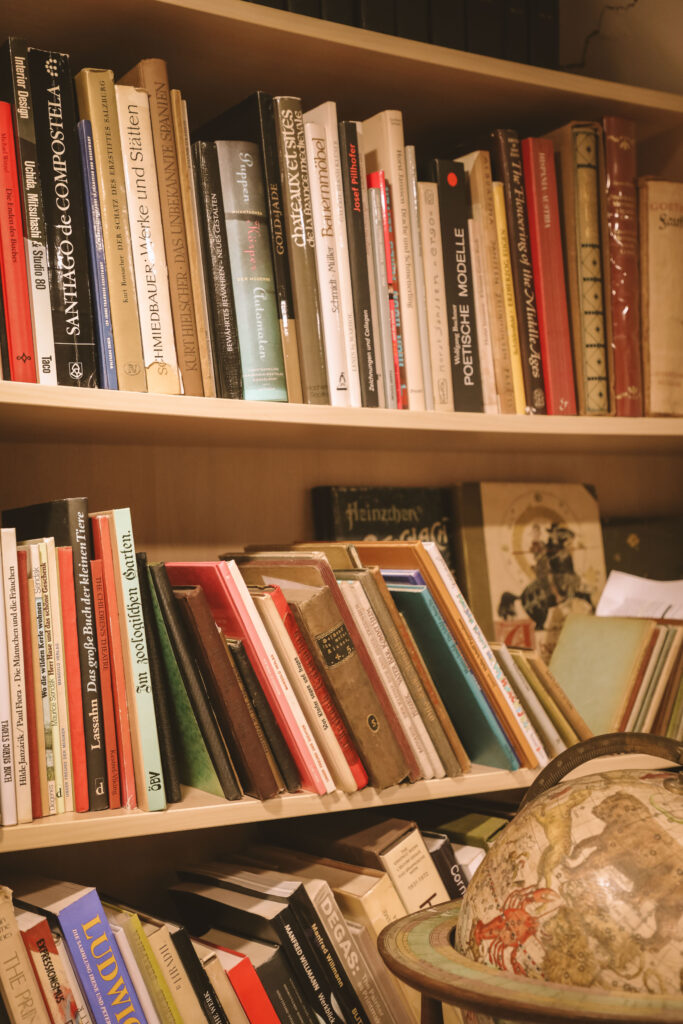
Buchhandlung und Antiquariat Matthäus Truppe
Contemporary Literary Life
Graz does not treat literature as a closed chapter.
The Literaturhaus Graz anchors the city’s contemporary literary discourse. Readings, discussions and lectures place current writing in dialogue with history, politics and society. It is an active platform where literature continues to be negotiated.
Architecture, Design and Cultural Context
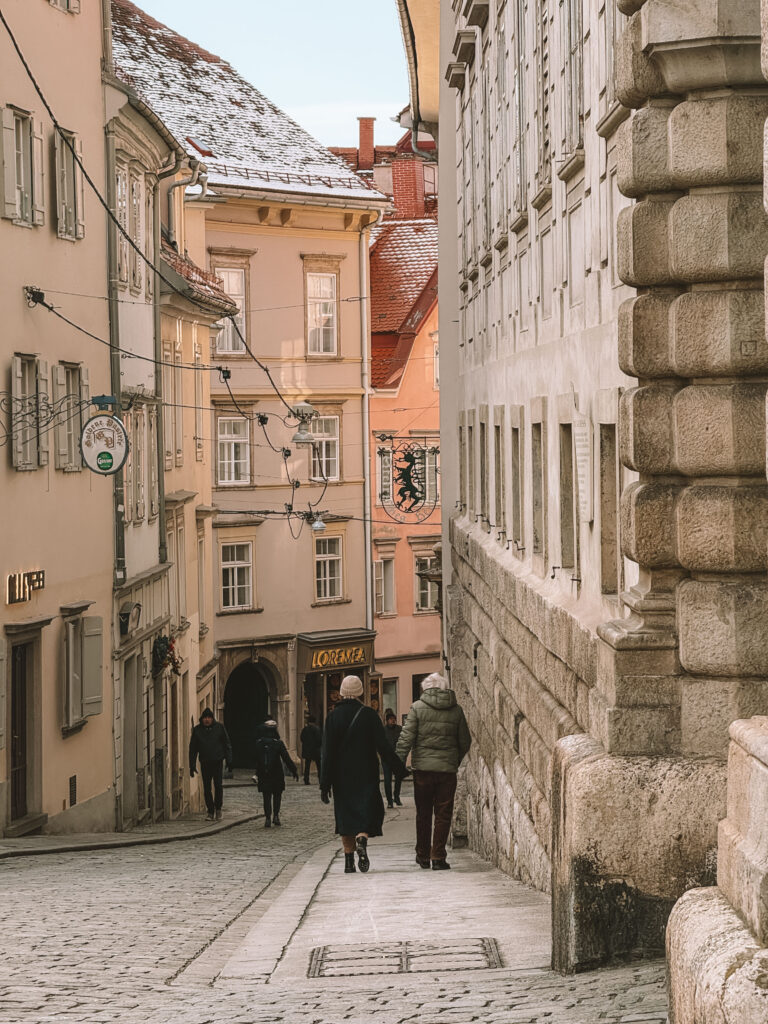
As a UNESCO World Heritage city with a preserved historic centre and bold contemporary additions, Graz attracts architecture students and design enthusiasts from across Europe. The city’s recognition as a UNESCO City of Design highlights how closely creativity and intellectual life are linked.
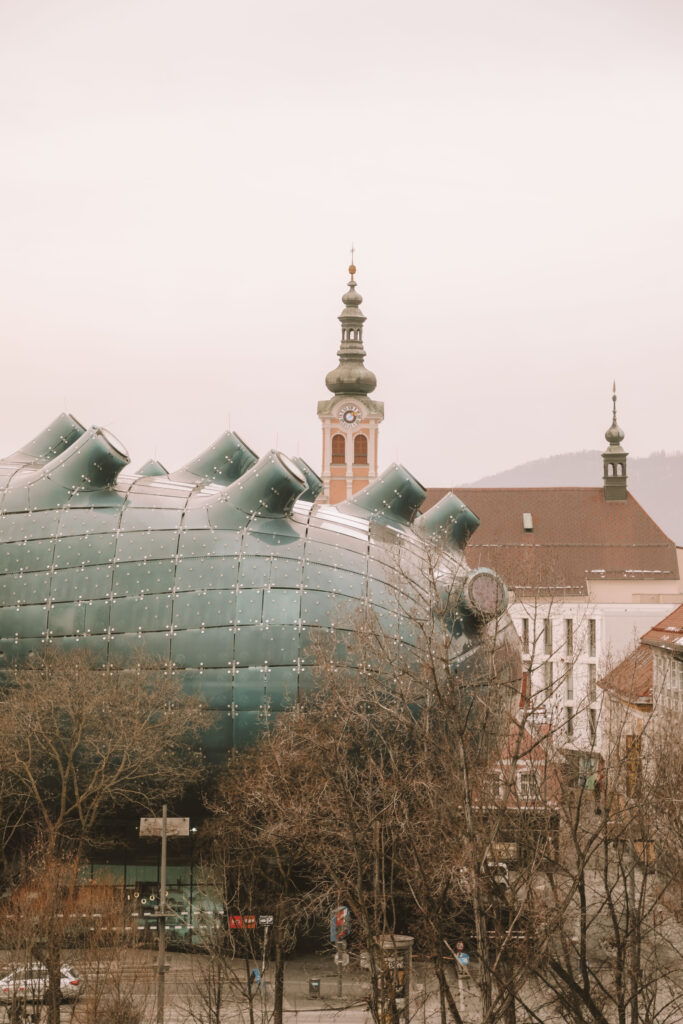
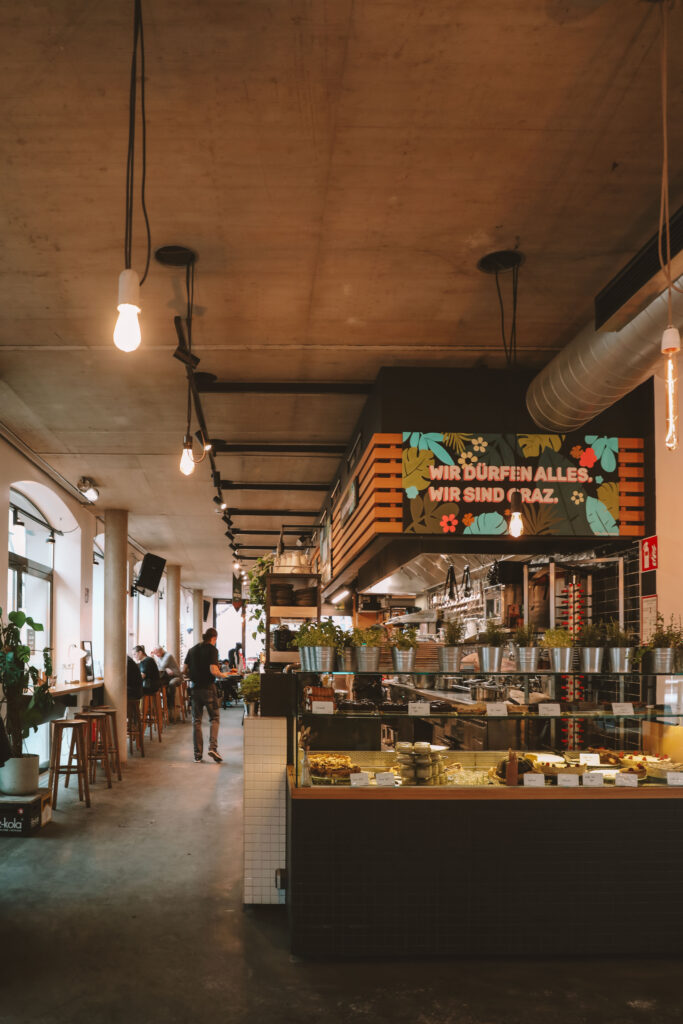
The Kunsthaus Graz, often described as the city’s most visible architectural statement, plays a key role in this context. Designed by Peter Cook and Colin Fournier, the building is widely known as the Friendly Alien. Its organic form has become an international reference point for contemporary architecture and design thinking. Its presence signals openness to experimentation and critical discourse. The building also houses a popular café that extends this atmosphere into everyday life and attracts students, designers and readers alike. For visitors interested in architecture, design and literature, Graz offers a rare overlap.
Why Graz Matters for Book Lovers
It is defined by systems. Libraries that support daily research. Bookshops that shape neighbourhoods. Antiquariates that preserve intellectual depth. Cultural institutions that give contemporary voices space.
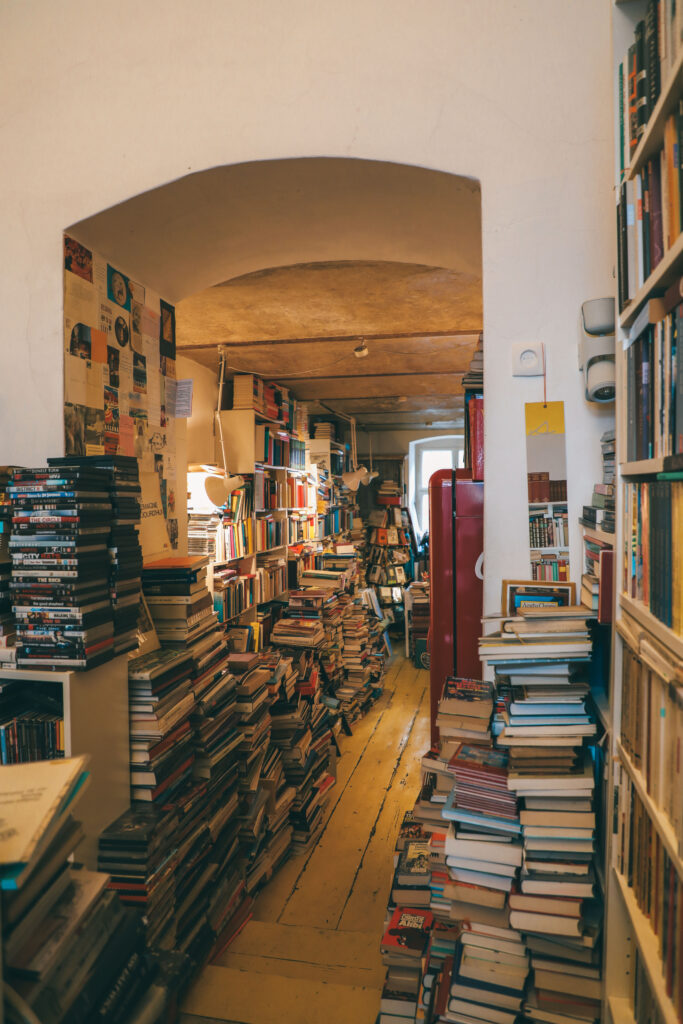
Antiquariat Alles beim Alten
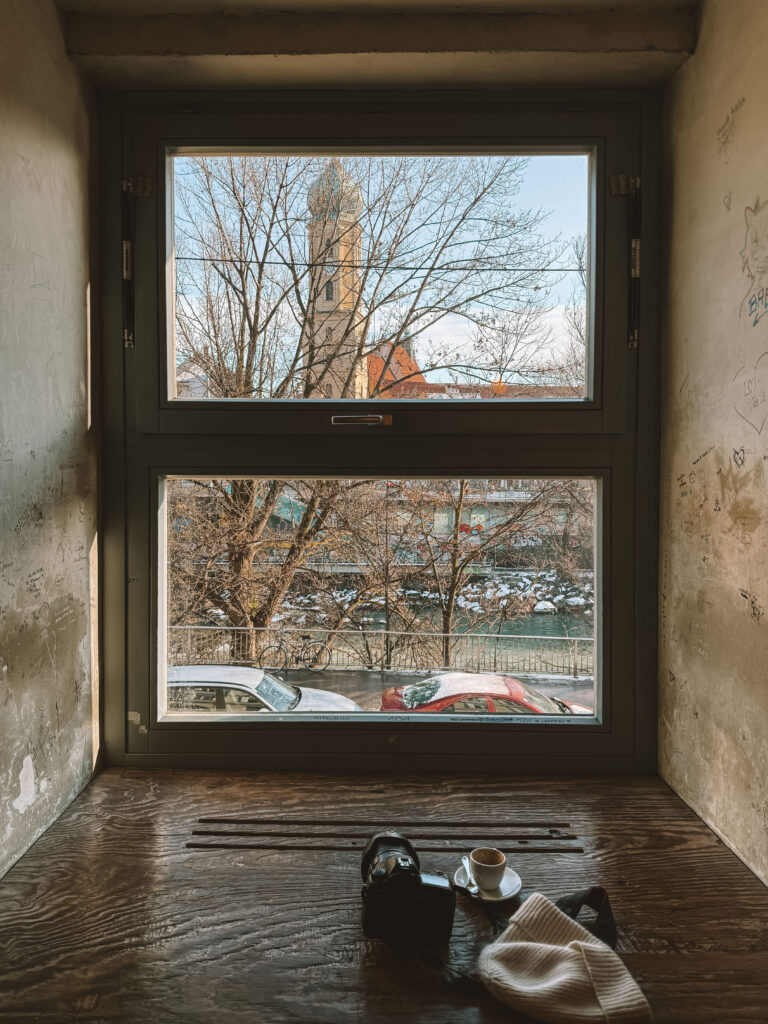
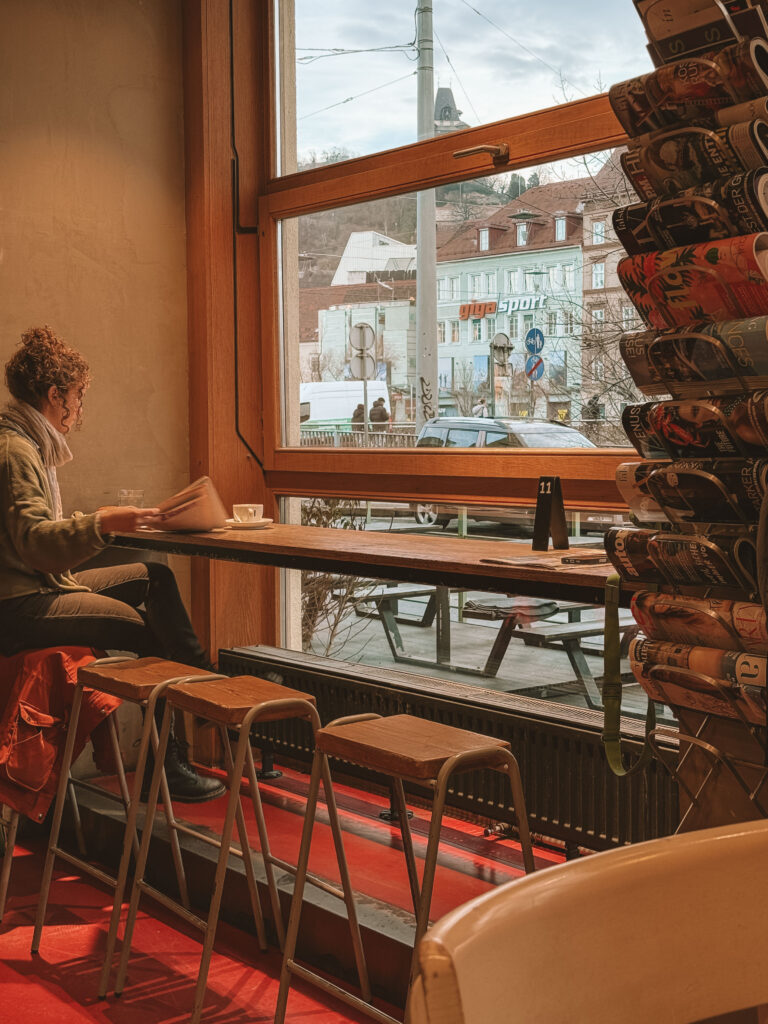
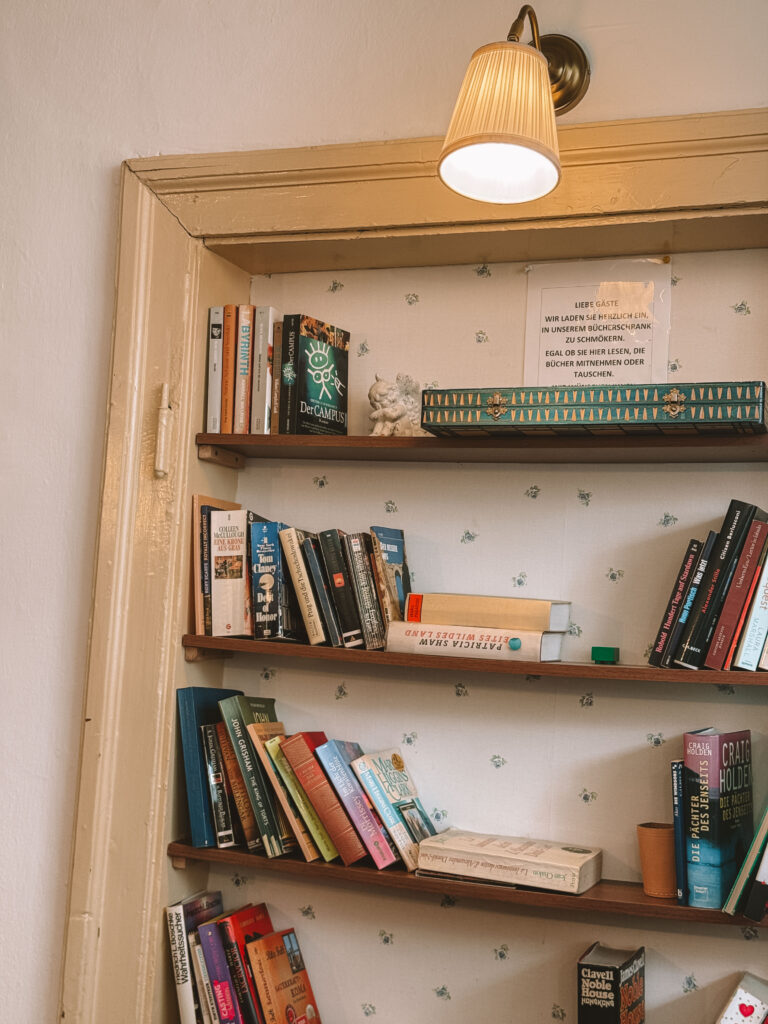
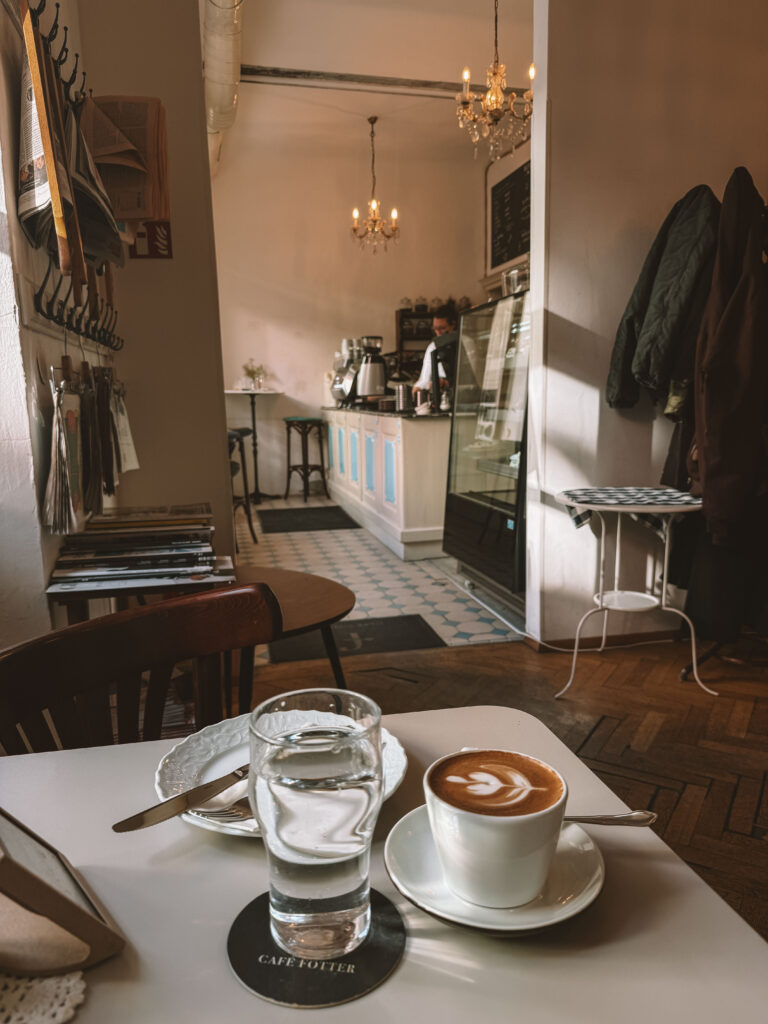
Reading appears naturally in daily life. Newspapers unfold at café tables from early morning onwards. Books remain open long after coffee is finished. Across generations, reading is visible and unselfconscious. Even places that are not dedicated literary venues reflect this culture. At Café Fotter, a simple bookshelf invites guests to leave, take or exchange books.
For travellers drawn to bookshops and libraries, Graz offers an uncommon combination: a city where literary life is not curated for display, but lived quietly, day by day.